


Preguntas frecuentes
Naturaleza refinada, calidad definida
Ciencia verde para una vida mejor

What issues should be paid attention to when using low-acyl gellan gum?
The main issue lies in the dispersion and dissolution stage. In low-acyl gellan gum applications, over 90% of problems stem from insufficient dissolution. If the water used to prepare the solution contains high concentrations of cations (such as in hard water), it can prevent the hydration and dissolution of low-acyl gellan gum. It is recommended to use deionized or purified water, or to add chelating agents like sodium citrate in advance. Low-acyl gellan gum requires dissolution under high-temperature conditions: it must be fully dispersed and dissolved at high temperatures (typically >85°C) with continuous stirring. To reduce the risk of clumping, it can be pre-mixed with dry powders like granulated sugar to aid dispersion.
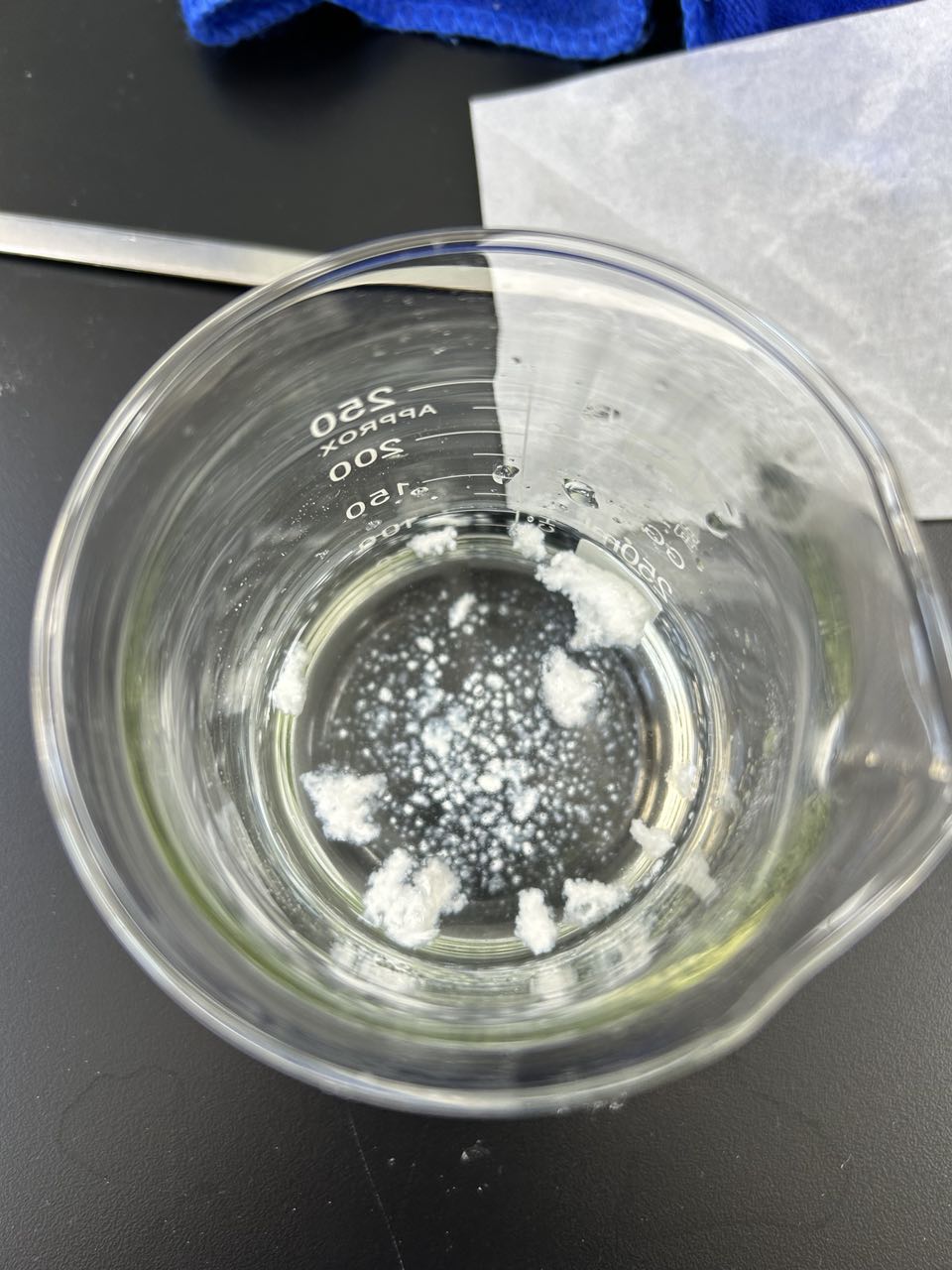
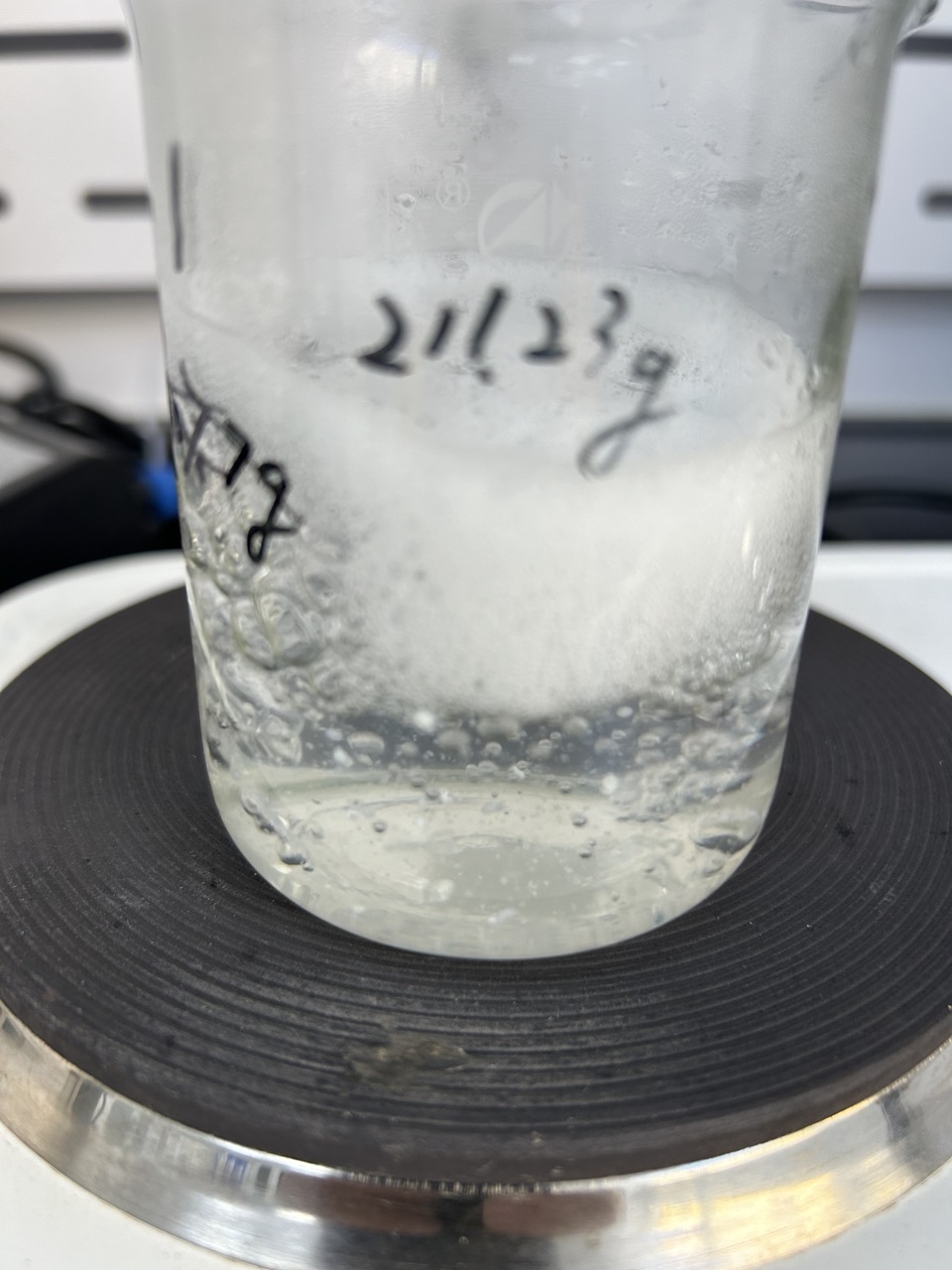
High Calcium ions content LA gellan gum LA gellan gum can't hydrate well even under boiling temperature
Some manufacturers produce low-acyl gellan gum with excess calcium ion content, generally exceeding 1% in the final product. If the production water or the formulation contains high levels of calcium or magnesium ions when using such gellan gum, it becomes very difficult to dissolve in water. Even heating to boiling may not achieve complete dissolution. Therefore, ensuring the proper dissolution of low-acyl gellan gum is a key operation for guaranteeing its application effectiveness.
After the low-acyl gellan gum is completely dissolved, additional metal ions need to be introduced to help it form a gel. If potassium or sodium ions are added, low-acyl gellan gum can form a thermally reversible, slightly elastic, transparent gel. If calcium or magnesium ions are added, it will form a hard, brittle, thermally irreversible, transparent gel.
The suitable pH range for low-acyl gellan gum is neutral to slightly alkaline (pH 4.0-10.0), where it is most stable and achieves optimal gel strength.
Under acidic conditions (pH <3.5), prolonged heating can cause hydrolysis of the molecular chains, significantly reducing gel strength. For use in acidic products, it is recommended to form the gel under neutral conditions first, and then mix it with the acidic components.
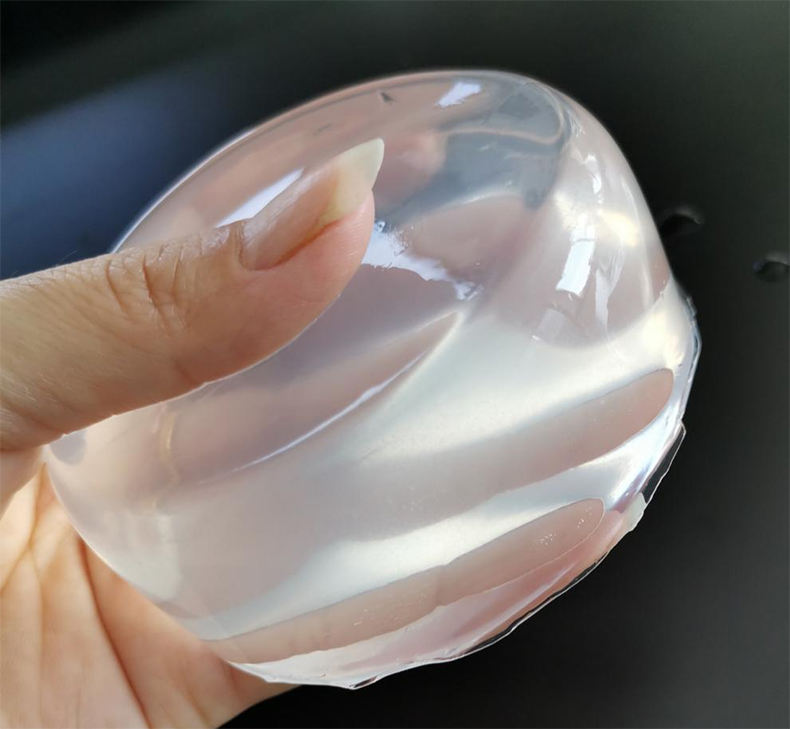
LA gellan gum forms clear gel with hard and brittle texture

Email: info@cagcolloids.com
Tel: 0086-19884908291 / 0086-573- 88067623
Website: www.cagcolloids.com
Address: No. 399, East Tongfu Road, Tongxiang City, Zhejiang Province. China.