

Preguntas frecuentes
Naturaleza refinada, calidad definida
Ciencia verde para una vida mejor

What is the real difference between high-acyl and low-acyl gellan gum in practical applications?
The real difference comes down to the texture of the final product and how the gum interacts with other ingredients. In short, High-Acyl (HA) gives you a soft, elastic, dairy-like texture, while Low-Acyl (LA) gives you a firm, brittle, glass-like texture.
Here is a practical comparison based on how they behave in real-world applications:
High-Acyl (HA): Produces soft, elastic, and creamy gels. It mimics the texture of gelatin or dairy fats. It is "thermoreversible," meaning it melts in the mouth (or when reheated), providing a pleasant eating experience.
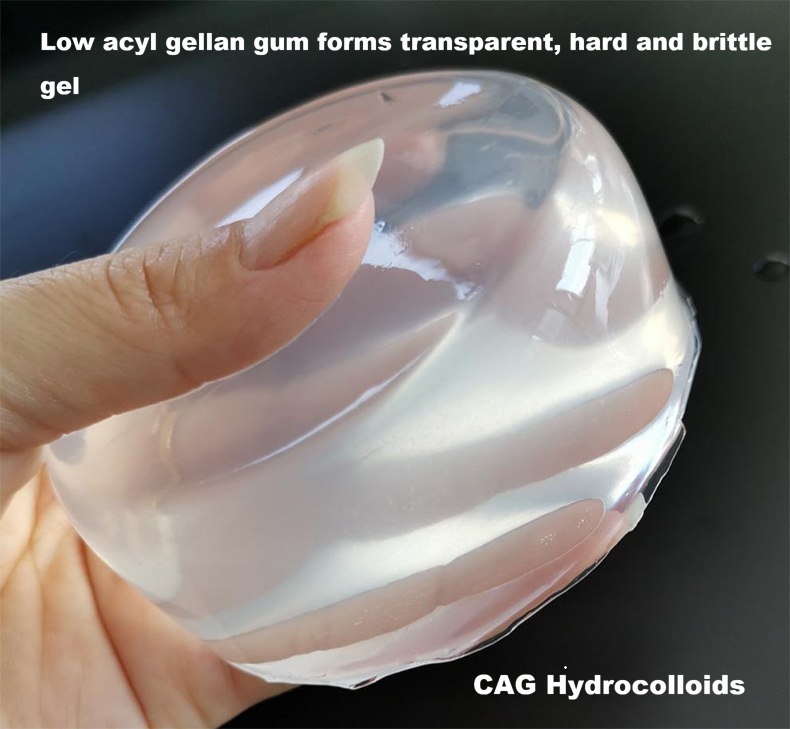
Low-Acyl (LA): Produces firm, brittle, and non-elastic gels. It sets hard and breaks with a clean "snap" (like a firm jelly candy). It is "thermo-irreversible," meaning it will not melt even if heated to near boiling point.
High-Acyl (HA): The gel is typically opaque or slightly milky. This makes it ideal for products where you want to hide something (like a filling) or mimic the look of dairy.
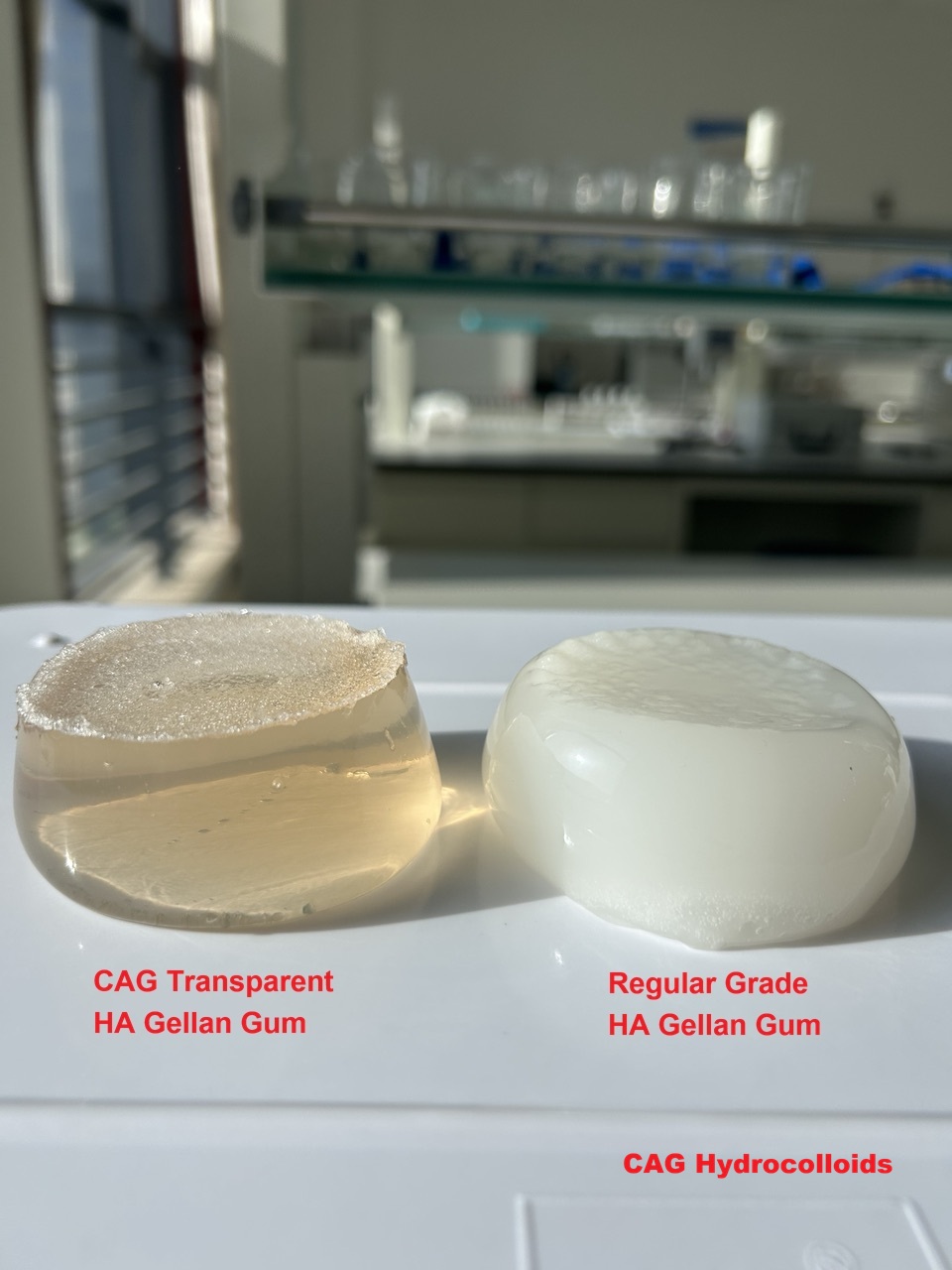
Low-Acyl (LA): The gel is crystal clear and transparent. This is perfect for high-end desserts, visible beverage chunks, or plant tissue culture where you need to see the roots clearly.
High-Acyl (HA): Less sensitive to ions. You can use it in dairy products or mineral-rich waters without it seizing up immediately. It generally does not require extra calcium to set.
Low-Acyl (LA): Highly sensitive to ions. It requires calcium (or magnesium) to form a gel. If your water is hard (high mineral content) or your recipe has calcium salts, LA will set much faster and firmer. This gives you precise control but requires careful formulation.
Use High-Acyl (HA) for:
Plant-based Milks/Yogurts: To create a creamy mouthfeel and suspend particles without thickening the liquid too much.
Panna Cotta & Desserts: When you want a soft, spoonable, melt-in-your-mouth texture.
Bakery Fillings: When you need a filling that stays soft and doesn't turn into a hard candy when baked.
Use Low-Acyl (LA) for:
Gummy Candies: To get that firm, chewy bite that doesn't stick to your teeth.
Clear Beverages: To suspend pulp or aloe vera bits in a clear juice without making the drink thick.
Plant Tissue Culture: To create a firm, stable medium that holds plant stems upright (replacing agar).
If you need a product that feels creamy and soft, choose High-Acyl. If you need a product that is clear and firm, choose Low-Acyl

Email: info@cagcolloids.com
Tel: 0086-19884908291 / 0086-573- 88067623
Website: www.cagcolloids.com
Address: No. 399, East Tongfu Road, Tongxiang City, Zhejiang Province. China.