

Preguntas frecuentes
Naturaleza refinada, calidad definida
Ciencia verde para una vida mejor

What is the Pectin Production Process?
The production of pectin is a precision, multi-step bio-separation and purification engineering process. Its core objective is to efficiently extract and purify pectin molecules with specific gelling properties from pectin-rich plant materials (primarily citrus peel, apple pomace, and sunflower heads).
The following outlines the standard industrial pectin production process, divided into four main stages: Raw Material Pretreatment, Extraction, Separation & Purification, and Concentration & Drying.
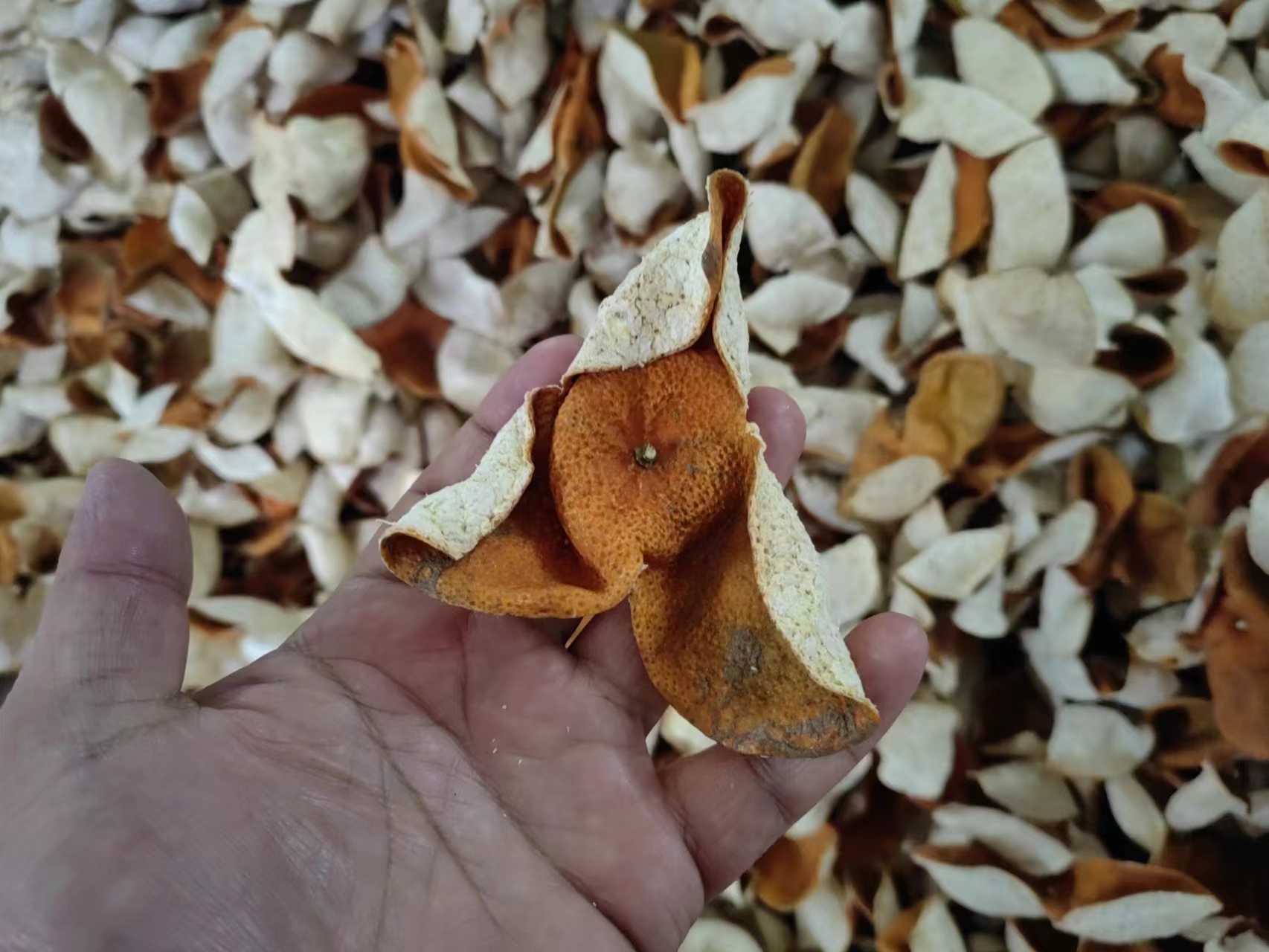
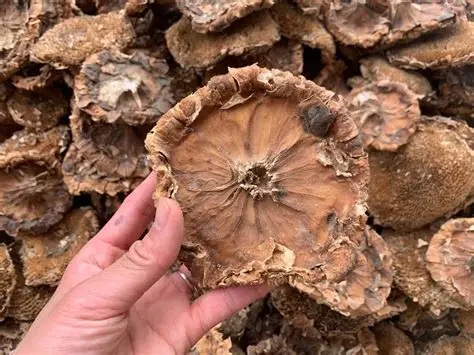
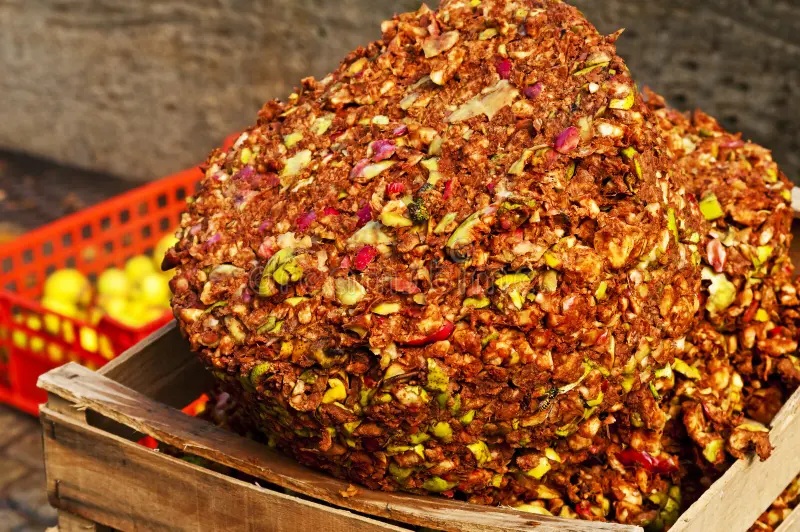
CItrus Peel Sunflower heads Apple Pomace
Stage 1: Raw Material Pretreatment
Raw Materials: Citrus peel (albedo is rich in pectin), apple pomace (residue after pressing), sunflower heads. The freshness and variety of the raw material directly impact pectin yield and degree of esterification (DE).
Washing & Size Reduction: Removal of soil and impurities, followed by cutting/grinding to increase the surface area for extraction.
Enzyme Deactivation (Crucial Step): Treatment with hot water or steam. The purpose is to inactivate endogenous pectinases (e.g., Pectin Methylesterase - PME, Polygalacturonase - PG) present in the raw material. This prevents the enzymes from degrading the pectin molecular chains during subsequent extraction, which would lead to reduced gel strength.
Stage 2: Acidic Hot-Water Extraction
Principle: Under acidic, heated conditions, protopectin in the plant cell walls is hydrolyzed into soluble pectin, which dissolves into the water.
Typical Conditions:
Extractant: Usually mineral acids (hydrochloric, sulfuric, nitric) or organic acid solutions.
pH: Strictly controlled between 1.5 - 3.0 (adjusted based on raw material and desired pectin type).
Temperature: 70 - 95°C.
Time: Several hours. Time, temperature, and pH must be precisely balanced to find the optimum between maximizing extraction yield and minimizing acid-hydrolytic degradation of the molecular chains.
Product: A crude extract containing pectin, sugars, organic acids, pigments, and ions. It is viscous and contains many impurities.
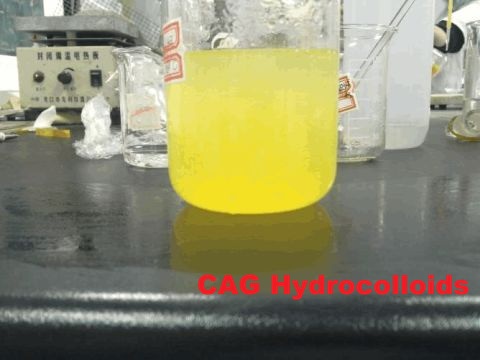
Pectin Extraction in Lab
Stage 3: Separation and Purification
Solid-Liquid Separation: Removal of insoluble residues via filter presses, centrifuges, etc., yielding a turbid pectin liquor.
Clarification & Decolorization: Use of activated carbon to adsorb pigments and off-flavors, and diatomaceous earth or other filter aids for precision filtration to improve clarity.
Advanced Purification (High-End Processes):
Ultrafiltration: Membrane technology to remove small-molecule impurities (salts, monosaccharides) and provide initial concentration. A key step for producing high-quality pectin.
Ion Exchange: Removal of metal ions (e.g., Ca²⁺). This is done to produce standard high-ester pectin that is less sensitive to ionic interference, or to precisely control the ionic environment for low-ester pectin production.
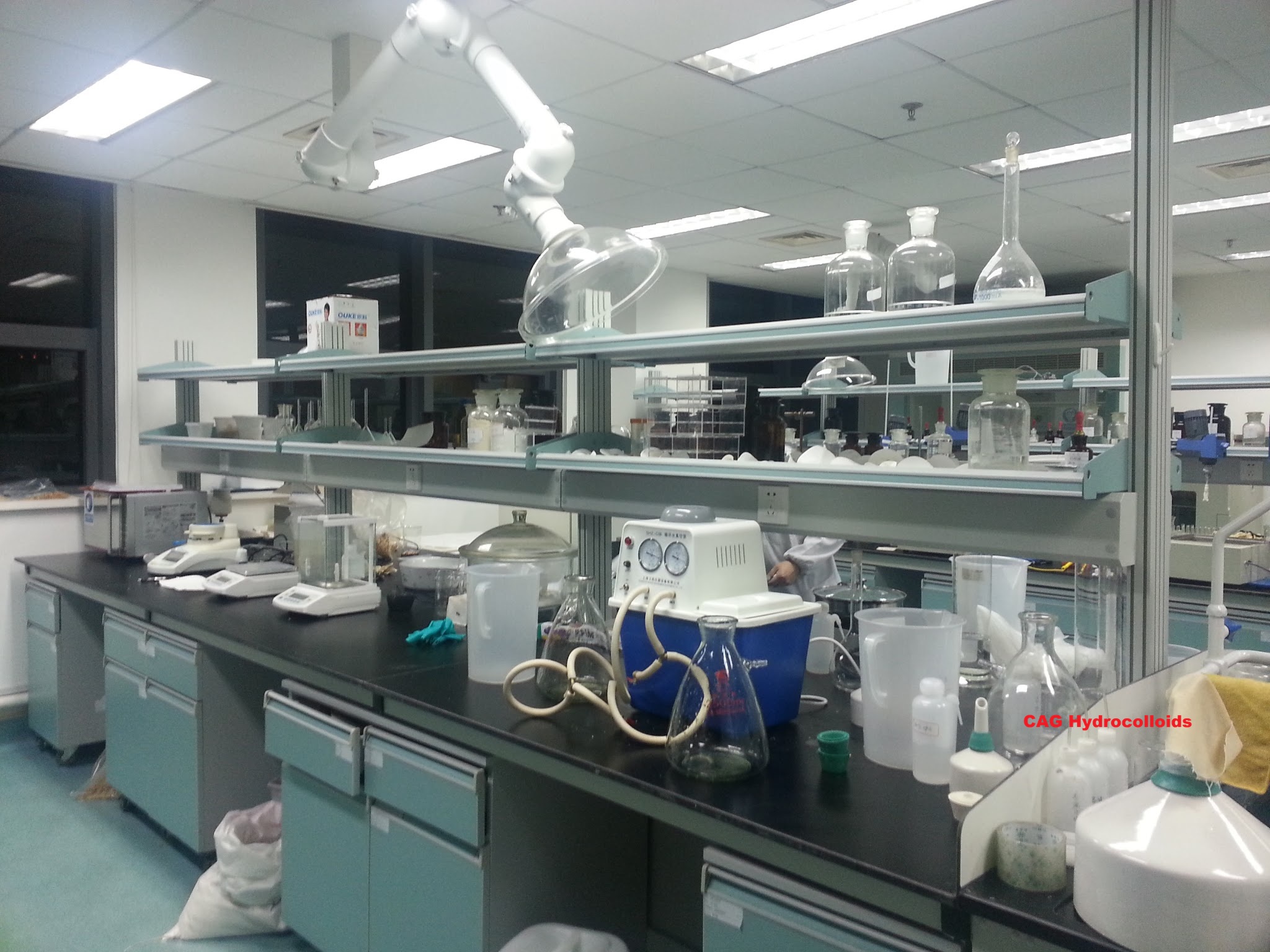
Pectin Extraction Lab
Stage 4: Precipitation, Drying, and Standardization
Precipitation (Core Step): A precipitating agent is added to the purified pectin liquor, causing the pectin to separate from the water.
Alcohol Precipitation: Most common. Addition of isopropanol or ethanol (approx. 50-70% concentration). Pectin has very low solubility in alcohol solutions, forming fibrous or flocculent gel precipitates. This method yields high-purity product but involves high solvent costs requiring recovery.
Aluminum Salt Precipitation: Addition of aluminum salts (e.g., aluminum sulfate), forming a pectin-aluminum complex precipitate. Lower cost, but requires subsequent steps to remove aluminum, with potential for metal ion residues.
Dehydration & Washing: The precipitate is separated via centrifugation or pressing and washed with alcohol solutions to further remove impurities, acid, and water.
Drying & Milling: Fluidized bed drying or vacuum drying is used to rapidly remove the solvent at relatively low temperatures, preventing thermal degradation. After drying, the material is milled and sieved to a uniform powder.
Standardization: A step of critical importance. Gel strength and other properties can vary between batches. Before final packaging, the product is adjusted to strictly consistent specification values for key parameters like gel strength, degree of esterification, pH, and setting time. This is typically done by adding sugar (e.g., sucrose) or buffering salts, ensuring zero batch-to-batch variation for the customer.
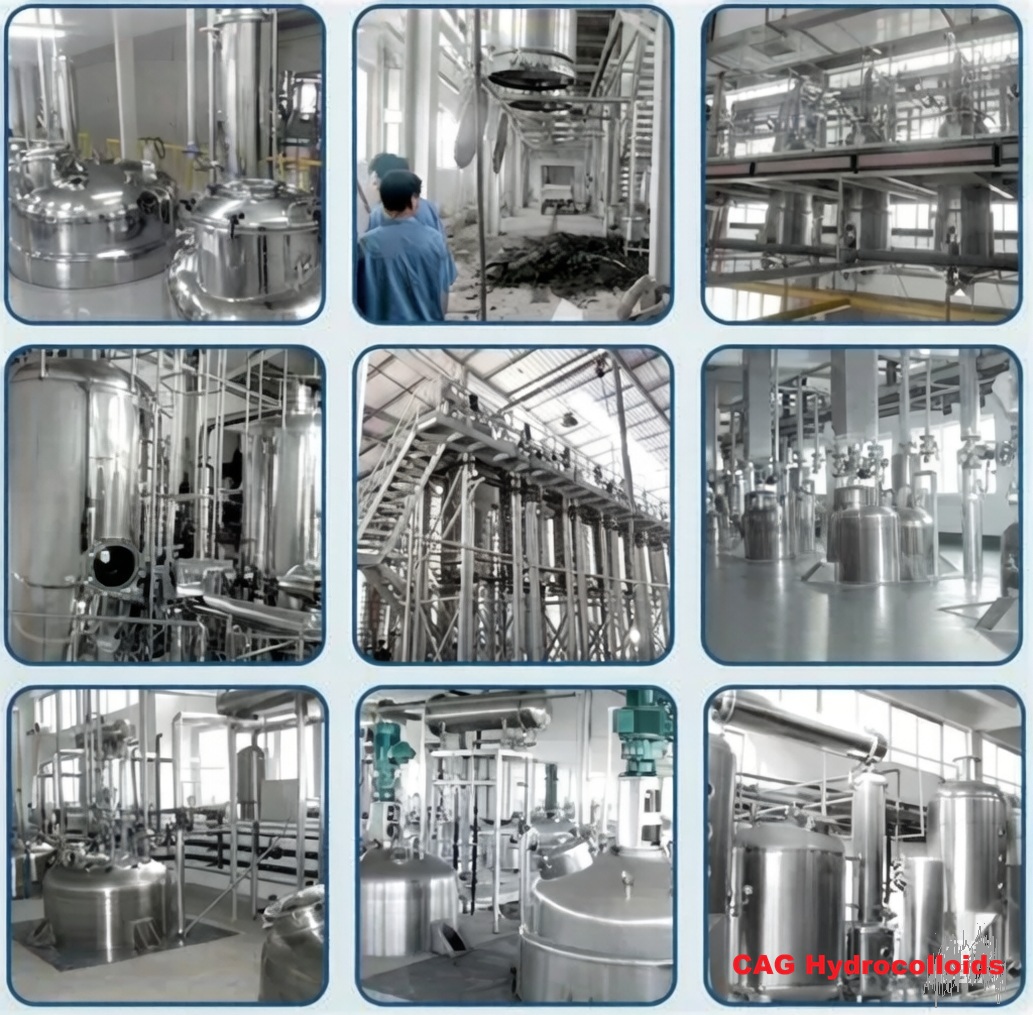
Pectin Extraction Production Line
Low-Ester (LM) Pectin: After the standard acid extraction described above, high-ester pectin is converted to low-ester pectin either by controlled acid hydrolysis (adjusting pH, temperature, time) or enzymatic treatment (using pectin methylesterase) to partially remove methoxyl groups, reducing the DE below 50%.
Amidated Pectin: LM pectin is treated with ammonia under alkaline conditions, converting some of the methoxyl groups to amide groups. This process improves gel elasticity and reduces sensitivity to calcium ions.
Molecular Weight Preservation: The entire process must minimize thermal and acidic damage to the pectin molecular chains, which is key to determining the final gel strength.
Yield vs. Cost Balance: Extraction time, temperature, and precipitant recovery rates directly affect production costs.
Environmental & Safety: The extensive use of acids, alkalis, and organic solvents necessitates advanced wastewater treatment and solvent recovery systems.
Standardization Capability: The ability to produce a product with absolutely consistent performance is the defining mark distinguishing a standard supplier from a top-tier one.
**In summary, pectin production is the bridge connecting agricultural by-products with high-value food ingredients. It combines phytochemistry, separation engineering, and food colloid science. The sophistication of the process directly determines the exceptional performance of pectin as a "texture architect" in countless food products. The secret of top-tier manufacturers lies not only in their equipment but in their ultimate understanding and control of pectin molecular behavior at every single step

Email: info@cagcolloids.com
Tel: 0086-19884908291 / 0086-573- 88067623
Website: www.cagcolloids.com
Address: No. 399, East Tongfu Road, Tongxiang City, Zhejiang Province. China.