


Preguntas frecuentes
Naturaleza refinada, calidad definida
Ciencia verde para una vida mejor

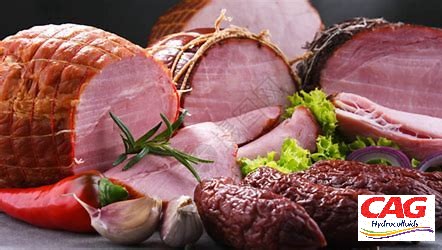
Konjac gum in meat products, What key quality indicators should be focused on during procurement?
Request a COA (Certificate of Analysis) from the supplier and prioritize verifying the following 4 core indicators:
Glucomannan Purity (KGM Content):
Standard: ≥ 90%, preferably ≥ 92%.
Why: Purity directly determines the content of the active ingredient and the level of impurities (starch, alkaloids, etc.). It is fundamental to efficacy and flavor.
Viscosity:
Standard: For a 1% aqueous solution, measured with a Brookfield viscometer at 25°C: ≥ 20,000 mPa·s, preferably ≥ 25,000 mPa·s.
Why: Viscosity is a direct reflection of konjac gum's water-holding capacity and thickening effect. Higher viscosity leads to gels formed synergistically with carrageenan that have greater strength and better water retention.
Particle Fineness:
Standard: ≥ 80 mesh, with a passing rate ≥ 95%.
Why: Insufficient fineness leads to slow dissolution and clumping ("fish eyes"), affecting the final product's texture homogeneity.
Hygiene and Safety Indicators:
Microbiology: Total plate count, mold & yeast, coliforms must comply with the GB 1886.291 (Food Additive - Konjac Gum) standard or equivalent.
Sulfur Dioxide Residue: ≤ 30 mg/kg (the lower, the better).
Ash Content: ≤ 5.0% (indicates inorganic impurity content).

Email: info@cagcolloids.com
Tel: 0086-19884908291 / 0086-573- 88067623
Website: www.cagcolloids.com
Address: No. 399, East Tongfu Road, Tongxiang City, Zhejiang Province. China.