


Preguntas frecuentes
Naturaleza refinada, calidad definida
Ciencia verde para una vida mejor

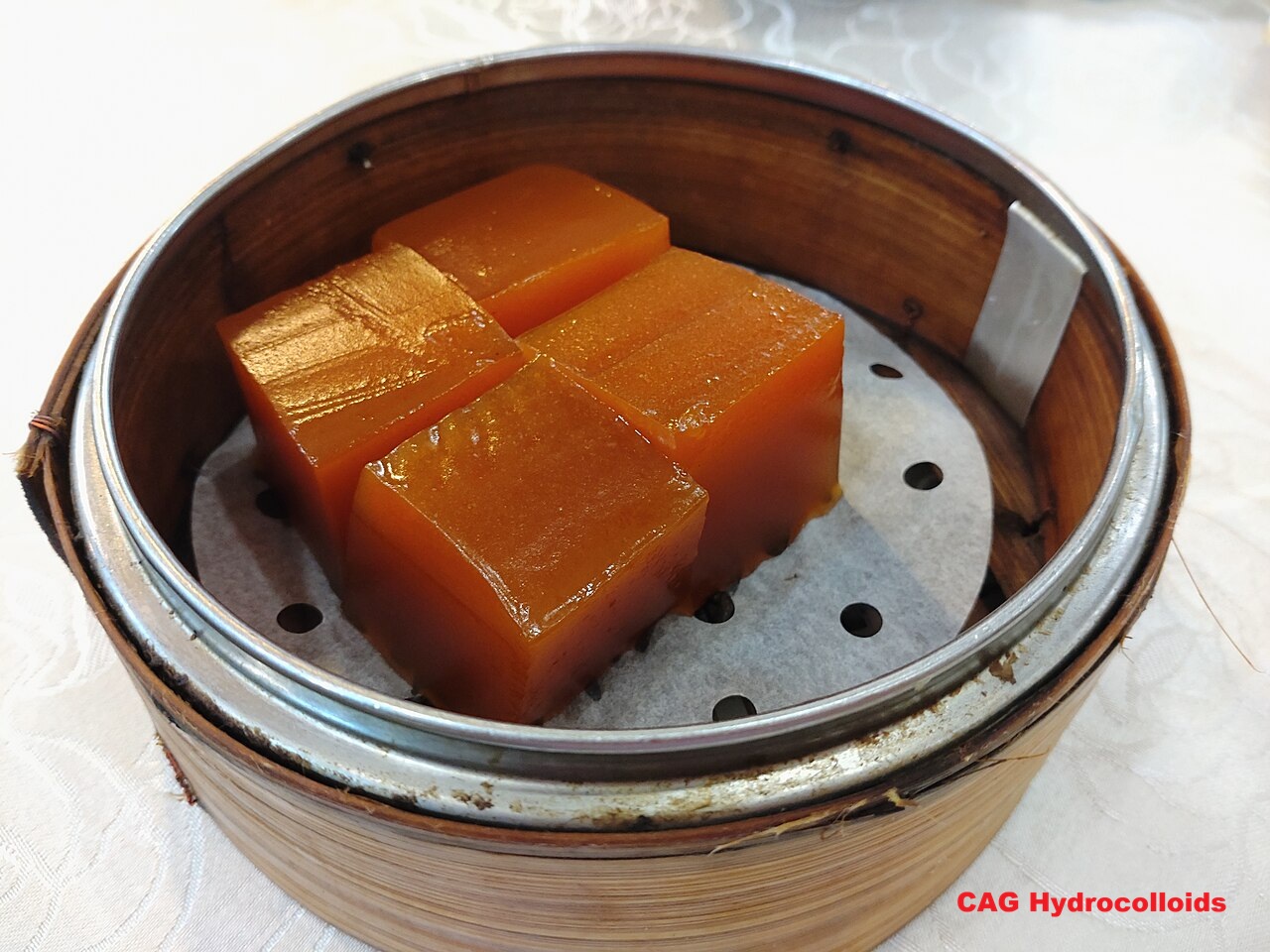
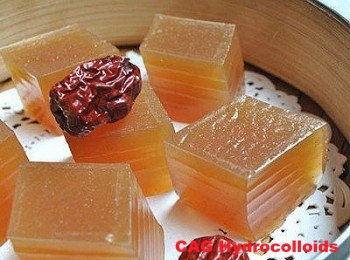
How to Make a Delicious Jujube Cake with Excellent Texture Using Agar?
The secret lies in mastering the synergy between the rich, caramel-like flavor of jujubes (red dates) and the unique gelling properties of agar. This combination creates a vegan, refined dessert with a clean, firm, and satisfying mouthfeel. Here is a complete, professional guide.
Core Concept: A plant-based, gelatin-free cake where agar provides structure and jujubes provide all flavor, color, and natural sweetness.
Key Characteristics:
Vegan & Allergy-Friendly: No gelatin, dairy, eggs, or gluten.
Signature Texture: Agar creates a firm, slightly brittle gel that is clean on the palate and not sticky or elastic—a sophisticated contrast to the soft fruit.
Clean Label & Healthy: Sweetness is primarily from fruit. Agar is a soluble dietary fiber. The product is naturally fat-free and low in calories.
Shelf-Stable: Agar's high gel strength and thermal stability (gel melts >85°C) allow the cake to hold its shape perfectly at room temperature.
|
Ingredient |
Weight |
Role & Quality Tip |
|---|---|---|
|
Dried Jujubes (Hong Zao), pitted |
200g |
Flavor & Sweetness Base. Use high-quality, fleshy varieties. Soaking is mandatory for flavor extraction. |
|
Drinking Water |
300g |
Extraction Medium. Use soft or filtered water for a clearer gel. |
|
Agar Powder (High Gel Strength, >900g/cm²) |
4g - 6g |
Structural Skeleton. 4g yields a tender, yielding gel; 6g yields a firm, snappy gel. This is the most critical variable. |
|
Mild Sweetener (e.g., Rock Sugar, Erythritol) |
20g - 30g (Optional) |
Sweetness Balancer. Adjust based on jujube sweetness. Can be omitted. |
|
Salt |
0.5g |
Flavor Enhancer. Amplifies the jujube's sweetness and complexity. |
|
Citric Acid or Lemon Juice |
2-3 drops |
pH & Color Stabilizer. Prevents browning and adds brightness. |
Optional Add-ins for Complexity:
Texture: 30g toasted walnuts or pine nuts.
Aroma: 1 tsp osmanthus syrup or a pinch of cinnamon.
Visual: Goji berries (added at molding).
Phase 1: Jujube Preparation & Flavor Extraction
Rinse jujubes. Soak them in the 300g of water for at least 1 hour (or overnight in the refrigerator).
Transfer jujubes and soaking water to a heavy-bottomed pot. Bring to a boil, then reduce to a low simmer. Cook, covered, for 25-35 minutes until the jujubes are extremely tender and the liquid is reduced by about one-third. This slow cooking maximizes flavor and pectin release.
Phase 2: Agar Integration – The Non-Negotiable Step
Dry-Mix: In a small bowl, combine the agar powder with the dry sweetener (if using). This prevents clumping.
Hot Incorporation: Ensure the jujube mixture is at a vigorous simmer/gentle boil. While stirring constantly with a whisk, slowly sprinkle the agar-sugar mixture into the center of the pot.
Complete Hydration: Maintain a boil and stir constantly for a full 2 minutes after all agar is added. You must see the mixture thin slightly as the agar hydrates, then begin to thicken. This ensures complete dissolution, the absolute key to a consistent gel.
Phase 3: Refinement & Flavoring
Carefully blend the hot mixture with an immersion blender (or in a countertop blender) until perfectly smooth.
For a supremely smooth texture, pass the puree through a fine-mesh sieve, pressing with a spatula. Discard the remaining skin particles.
Stir in salt and citric acid. Fold in any optional add-ins like nuts.
Phase 4: Molding & Setting for Perfect Results
Lightly coat molds with a neutral oil (e.g., rice bran oil). Silicone molds are ideal.
Pour the mixture into molds. Tap firmly to release air bubbles.
Let cool at room temperature until no longer warm (about 1 hour), then refrigerate, uncovered, for at least 4 hours, preferably overnight. The room-temperature cool-down is crucial to prevent surface condensation (syneresis).
|
Problem |
Likely Cause |
Solution |
|---|---|---|
|
Soft, weak gel or doesn't set |
1. Agar not fully dissolved. |
1. Always boil 2 mins while stirring. |
|
Grainy or "crunchy" texture |
Agar powder clumped and hydrated improperly. |
Always dry-mix with sugar. Sprinkle slowly into a boiling, vigorously stirred liquid. |
|
Water pools on surface (Syneresis) |
1. Gel set too quickly (shocked in very cold fridge). |
1. Always cool to room temp first. |
|
Too brittle/crumbly |
Agar concentration too high OR gel was disturbed while setting. |
Reduce agar. Let set completely, undisturbed, in the fridge. |
Advanced Texture Engineering:
For More Elasticity/Chew: Replace 10-15% of the agar weight with Kappa-Carrageenan. (e.g., for a 5g total gel system: 4.25g Agar + 0.75g Carrageenan).
For a Softer, More Melting Mouthfeel: Replace 5% of the water with a neutral plant-based cream.

Email: info@cagcolloids.com
Tel: 0086-19884908291 / 0086-573- 88067623
Website: www.cagcolloids.com
Address: No. 399, East Tongfu Road, Tongxiang City, Zhejiang Province. China.