


Preguntas frecuentes
Naturaleza refinada, calidad definida
Ciencia verde para una vida mejor
Are guar gum and gellan gum the same thing?
No, they are not the same thing. While both are hydrocolloids (polysaccharides) used as food additives, they differ significantly in their source, primary function, and chemical properties.
Here is a breakdown of the key differences:
|
Feature |
Gellan Gum |
Guar Gum |
|---|---|---|
|
Source |
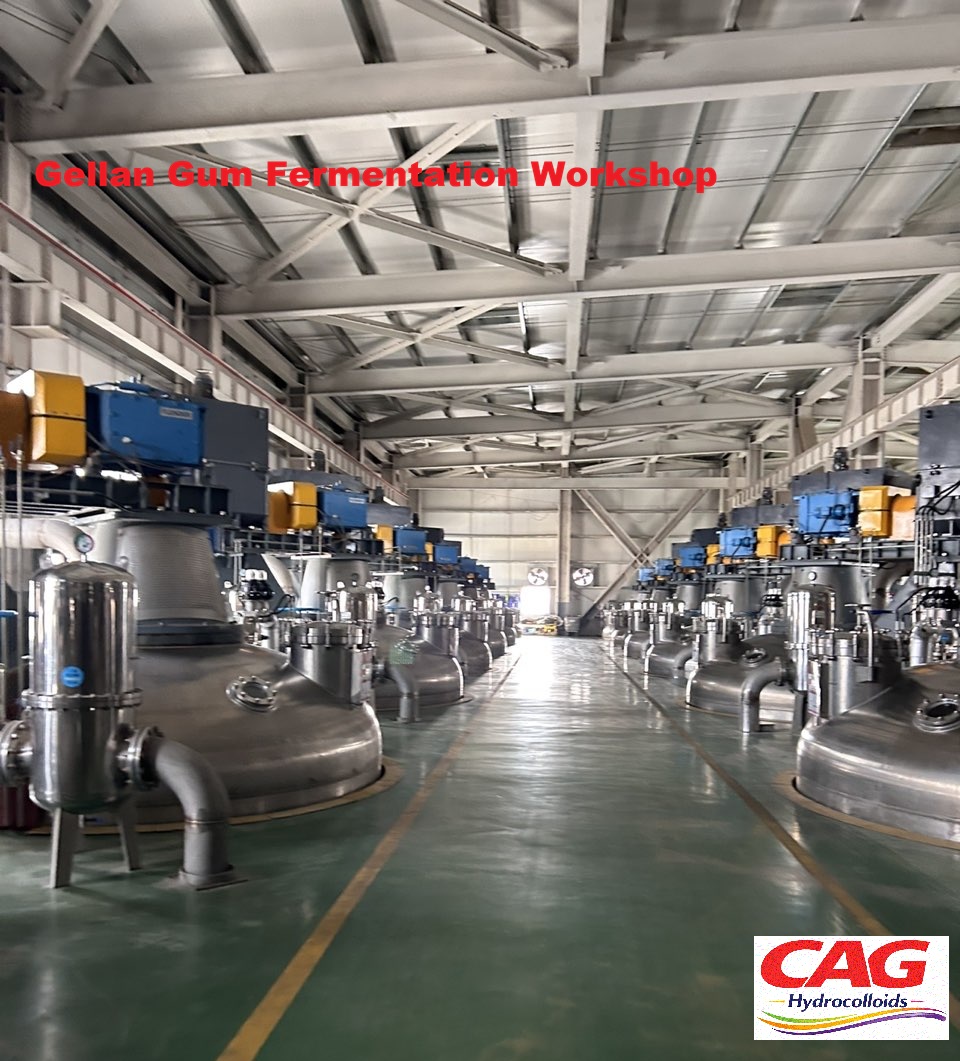
Produced via fermentation by the bacterium Sphingomonas elodea. |
Extracted from the seeds of the guar plant (Cyamopsis tetragonolobus), a legume. |
|
Primary Function |
Primarily a gelling agent. It can form firm, brittle, or elastic gels. |
Primarily a thickening agent. It dramatically increases viscosity but does not form a gel on its own. |
|
Texture |
Creates clear, strong gels. Low-acyl forms firm, brittle gels; high-acyl forms soft, elastic gels. |
Creates viscous, pourable solutions. It is known for its high water-binding capacity. |
|
Solubility |
Soluble in hot or cold water (depending on type), but requires heating to ~90°C to fully hydrate and activate. |
Hydrates quickly in cold water, making it very easy to use. |
|
Synergies |
Often used with ions (calcium) or other gums (locust bean, xanthan) to modify texture. |
Often used synergistically with other gums, especially xanthan gum, to create stronger gels or improve texture in gluten-free baking. |
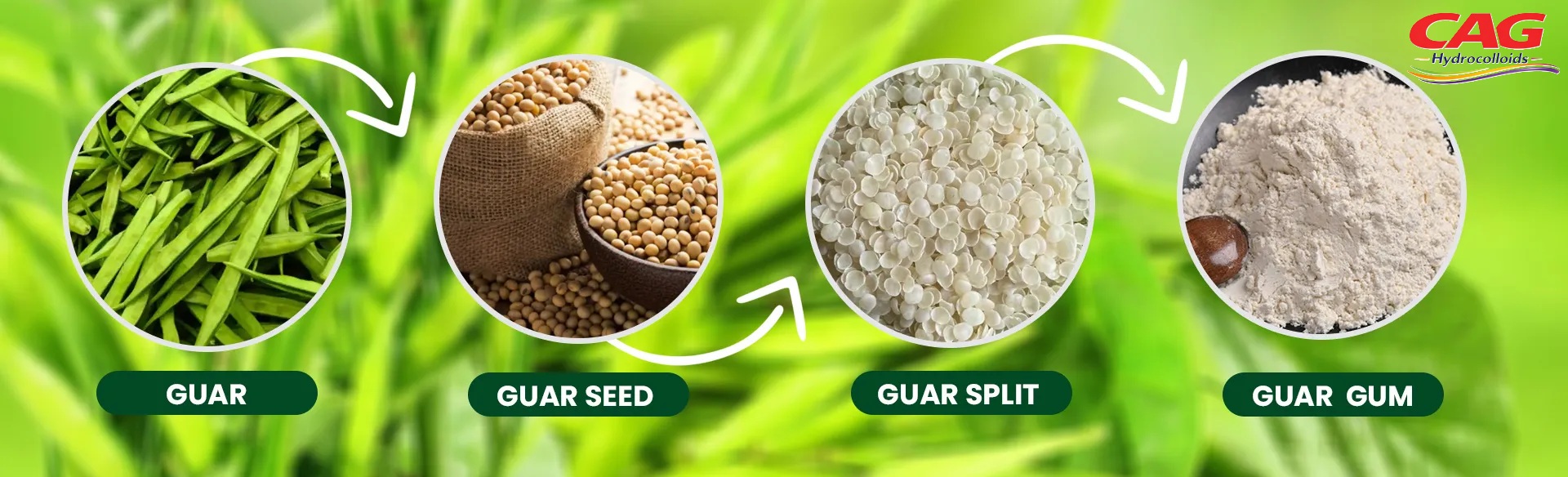
Use Gellan Gum when you need to create a gel (like a vegan jelly, gummy candy, or firm dessert).
Use Guar Gum when you need to thicken a liquid (like a sauce, soup, or dairy-free milk to prevent separation).
Both are valued for being plant-based (vegan) alternatives to animal-derived gelatin and are generally recognized as safe (GRAS) by the FDA.
Email: info@cagcolloids.com
Tel: 0086-19884908291 / 0086-573- 88067623
Website: www.cagcolloids.com
Address: No. 399, East Tongfu Road, Tongxiang City, Zhejiang Province. China.