


Preguntas frecuentes
Naturaleza refinada, calidad definida
Ciencia verde para una vida mejor

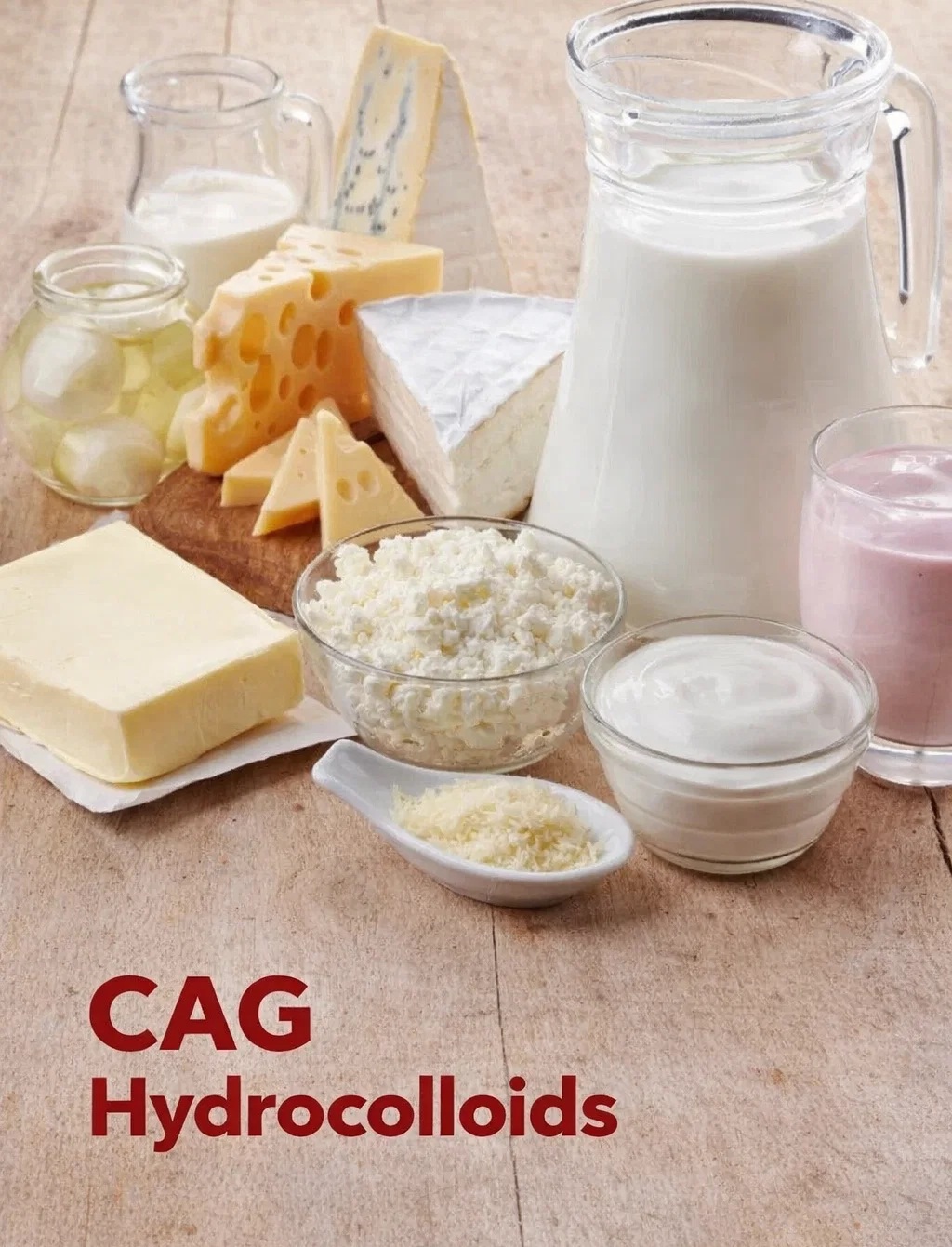
Analyze the application of gellan gum in dairy and protein-containing systems, addressing compatibility challenges and proven formulation strategies.
A noted challenge with low-acyl gellan gum in dairy applications is its interaction with proteins near their isoelectric point (around pH 4.0-4.5), which can lead to undesirable precipitation or inhibition of gelation in model systems. This would seemingly preclude its use in direct-set yogurts or cultured dairy products. However, practical formulation science overcomes this. Research demonstrates that successful, shelf-stable acidified dairy gels can be produced by incorporating gellan gum in combination with certain "protective" hydrocolloids, specifically guar gum or carboxymethylcellulose (CMC). These co-hydrocolloids are believed to act through several mechanisms: they may increase the continuous phase viscosity, interact preferentially with the proteins to stabilize them against aggregation with gellan gum, or form a separate protective colloid layer. This allows the powerful gelling functionality of gellan gum to be utilized without phase separation, enabling the creation of novel dairy textures with potential benefits like reduced syneresis and improved fruit pulp suspension.

Email: info@cagcolloids.com
Tel: 0086-19884908291 / 0086-573- 88067623
Website: www.cagcolloids.com
Address: No. 399, East Tongfu Road, Tongxiang City, Zhejiang Province. China.