


FAQs
Nature Refined, Quality Defined
Green Science for better living

Why Does Gel Strength Often Fail to Predict Real Mouthfeel?
Many buyers compare hydrocolloids using gel strength alone. However, products with identical gel strength can deliver completely different sensory experiences.
| Parameter | Sample A | Sample B |
|---|---|---|
| Gel Strength | 1000 g/cm² | 1000 g/cm² |
| Elasticity | Low | High |
| Fracture Type | Brittle | Flexible |
| Consumer Perception | Hard | Chewy |
Gel strength measures only the force required to break a gel. It does not measure:
For example, agar and carrageenan gels may show similar strength values, yet agar feels brittle while carrageenan feels elastic.
Likewise, two gellan gums with similar strength may perform very differently in fruit jelly, bakery filling, or beverage applications.
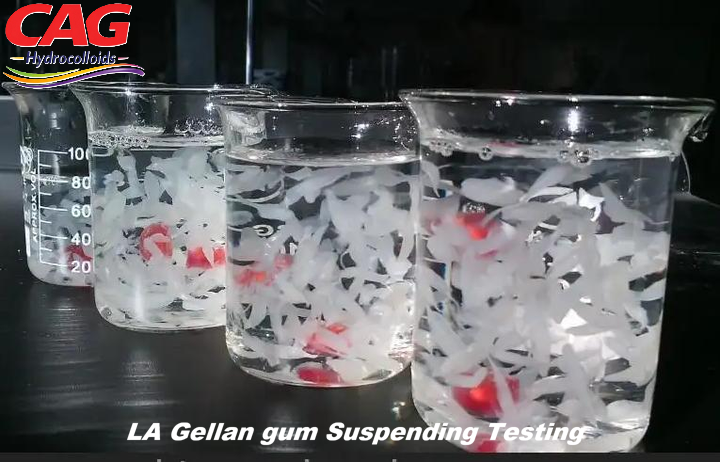
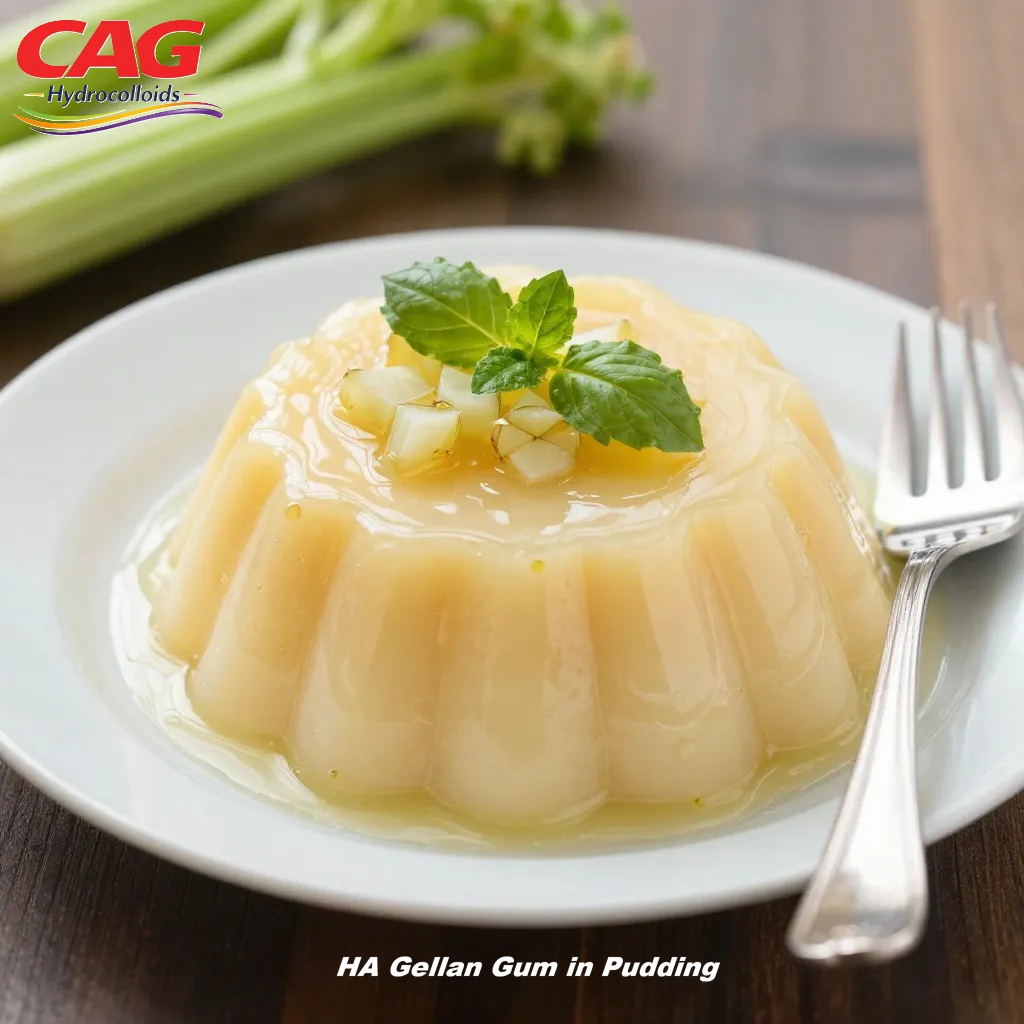
Fig. Suspending Beverages Fig. Dairy Dessert
| When Evaluating Hydrocolloids | Important Parameters |
|---|---|
| Gummies | Elasticity + Strength |
| Fruit Jelly | Fracture Behavior + Transparency |
| Beverage | Suspension + Mouthfeel |
| Dairy Dessert | Creaminess + Syneresis Resistance |
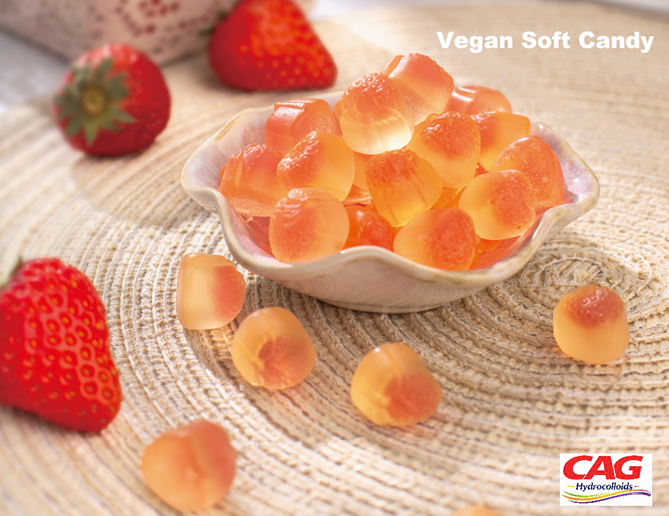
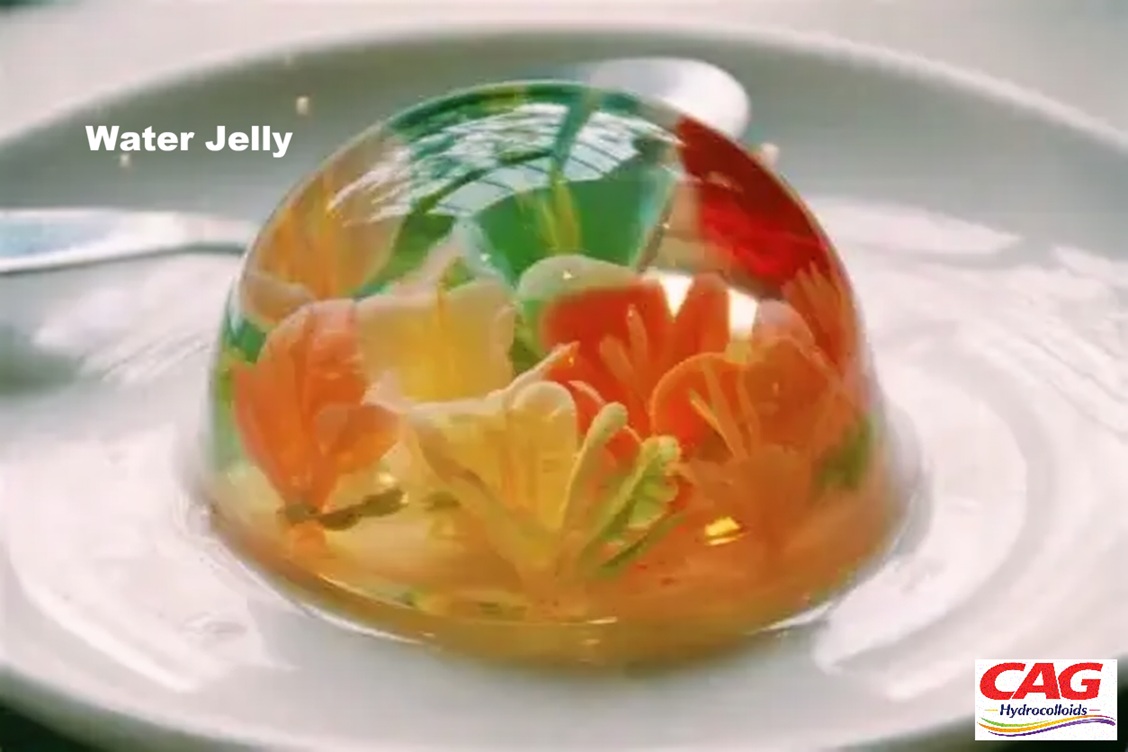
Gel strength is only one number. Application performance and sensory properties are usually far more important than gel strength alone.


Email: info@cagcolloids.com
Tel: 0086-19884908291 / 0086-573- 80890620
Website: www.cagcolloids.com
Address: No. 399, East Tongfu Road, Tongxiang City, Zhejiang Province. China.