


FAQs
Nature Refined, Quality Defined
Green Science for better living

Why does agar lose gel strength and show syneresis in low-pH food formulations
The glycosidic bonds in agar's polysaccharide backbone undergo acid-catalysed hydrolysis, and the reaction rate accelerates sharply as pH falls and temperature rises. Under conditions of pH 3.5 and sustained heating above 80°C for more than 20 minutes, gel strength losses of 30–50% are common, and free water expelled from the disrupted network produces visible syneresis.
The core problem is that many fruit jelly formulations require high-temperature processing (85–95°C) for dissolution and hot-fill, while the addition of fruit juice or citric acid simultaneously pulls the system pH down to 3.5–4.5 — creating a compounding "high temperature + low pH" condition that is destructive to the gel network.

Fig. Agar for water jelly production
Systematic solutions, in order of priority:
① Process sequence adjustment (preferred): Dissolve agar completely in neutral water first (95°C, 10–15 min), then cool to 65–70°C before introducing acidic fruit juice or citric acid. This compresses the co-exposure time of high temperature and low pH to under 5 minutes.
② Buffer degradation with increased agar dosage: In formulations at pH 3.5–4.0, increase agar usage by approximately 20–30% (e.g., from 0.8% to 1.0–1.1%) to compensate for hydrolytic strength loss.
③ Co-formulate with low-methoxyl (LM) pectin: In the presence of calcium ions, LM pectin forms an independent acid-stable gel network that complements agar. A ratio of agar:LM pectin of 3:1 to 2:1 produces a more robust combined gel at low pH.
④ Specify high gel-strength agar: At the same concentration, a high-strength grade (≥900 g/cm²) retains higher residual strength after partial hydrolysis, providing greater process safety margin.
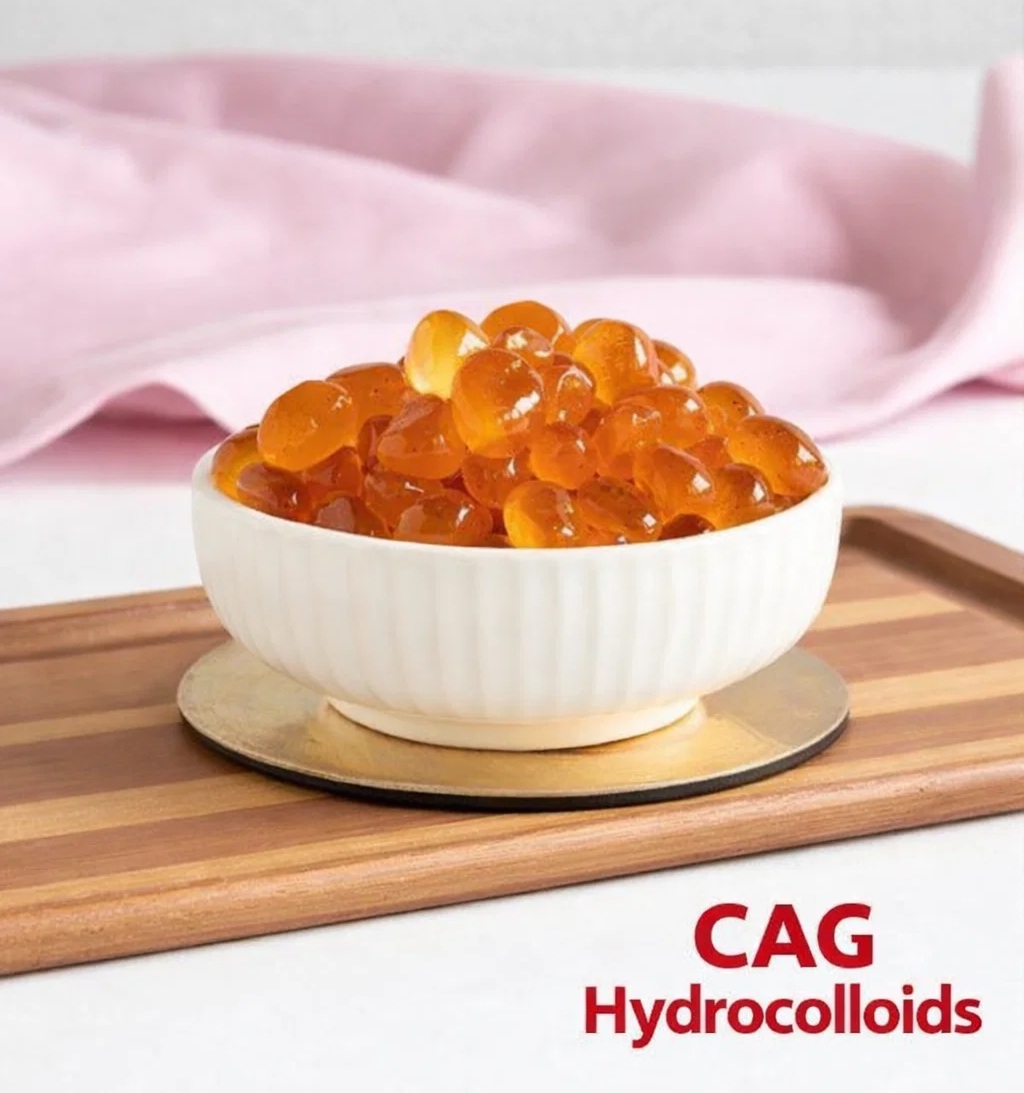
Fig 2. Agar Jelly Balls


Email: info@cagcolloids.com
Tel: 0086-19884908291 / 0086-573- 80890620
Website: www.cagcolloids.com
Address: No. 399, East Tongfu Road, Tongxiang City, Zhejiang Province. China.