

FAQs
Nature Refined, Quality Defined
Green Science for better living

Why do some Chinese xanthan gum manufacturers have excessive chlorate levels in their product? What is the European Union's standard for chlorate?
Excessive chlorate levels are a concentrated manifestation of defects in production process control, primarily stemming from the following aspects:
Inadequate Control at the Production Source (Root Cause)
Insufficient Process Water Treatment: The use of tap water or groundwater treated with chlorine-based disinfectants (e.g., sodium hypochlorite) in production, if not subjected to effective dechlorination processes (such as activated carbon filtration, UV treatment), allows chlorine residues to enter the fermentation system and potentially convert to chlorate.
Risk of Introduction via Raw Materials: To control costs, some enterprises may use industrial-grade alkali (sodium hydroxide) with high chlorate content for pH adjustment during fermentation. Alkali produced by the chlor-alkali process often contains chlorate impurities.
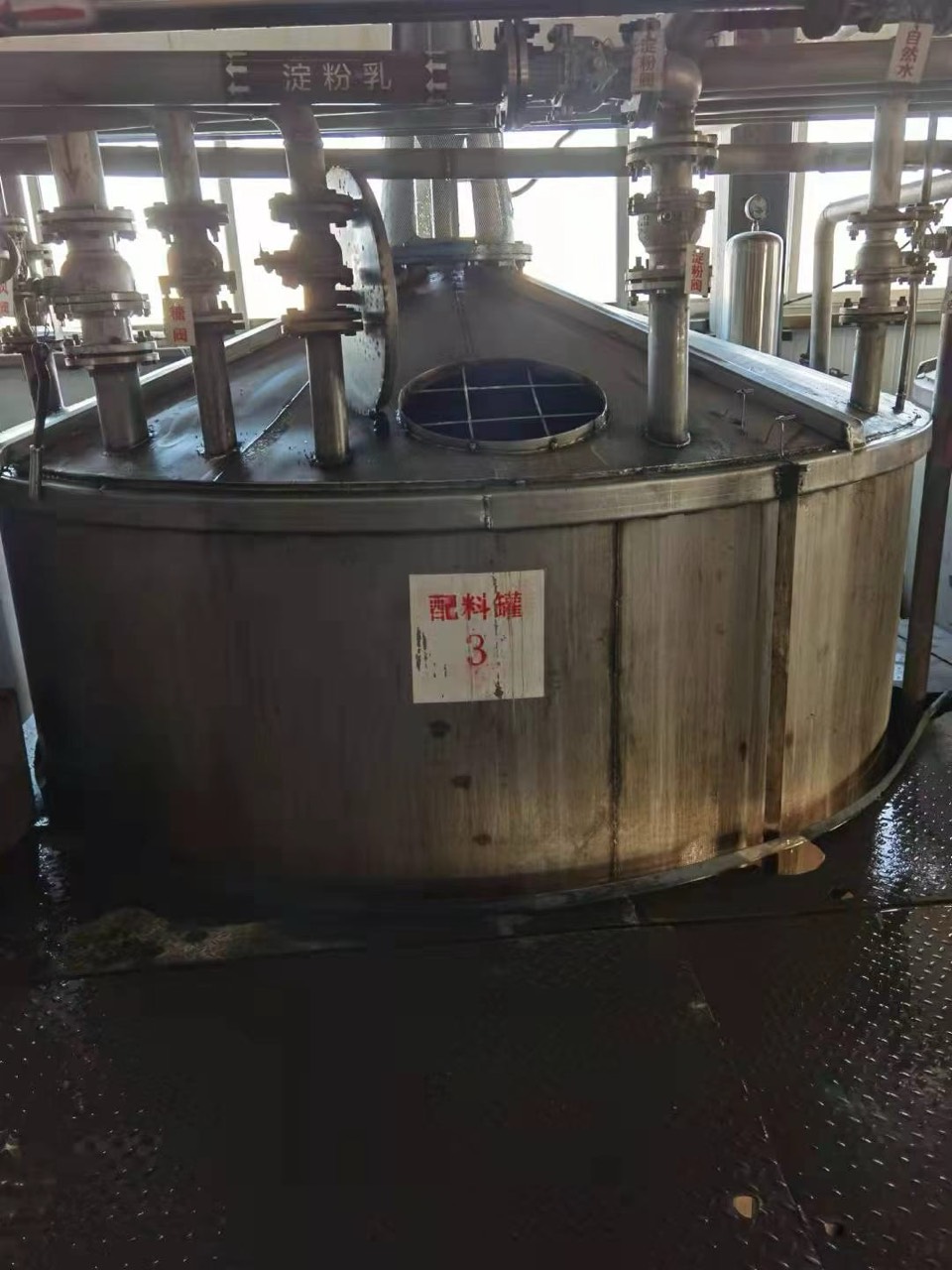
Xanthan Gum Raw Material Preparation Tank for Fermentation
Extensive Production Process Management (Direct Cause)
Equipment Cleaning (CIP) Residue: Sodium hypochlorite is a commonly used cleaning and disinfecting agent for fermenters and pipelines. Inadequate neutralization or insufficient rinsing after cleaning leaves residual sodium hypochlorite, which can enter the next batch of production material and convert to chlorate under subsequent fermentation or processing conditions. This is the most common and primary pathway for exceeding limits.
Lack of Monitoring at Critical Control Points (CCPs): Within the quality management system (e.g., HACCP), "chlorine residue in process water," "disinfectant residue after CIP," and "chlorate content in raw material alkali" are not established as critical control points with strict monitoring and record-keeping.
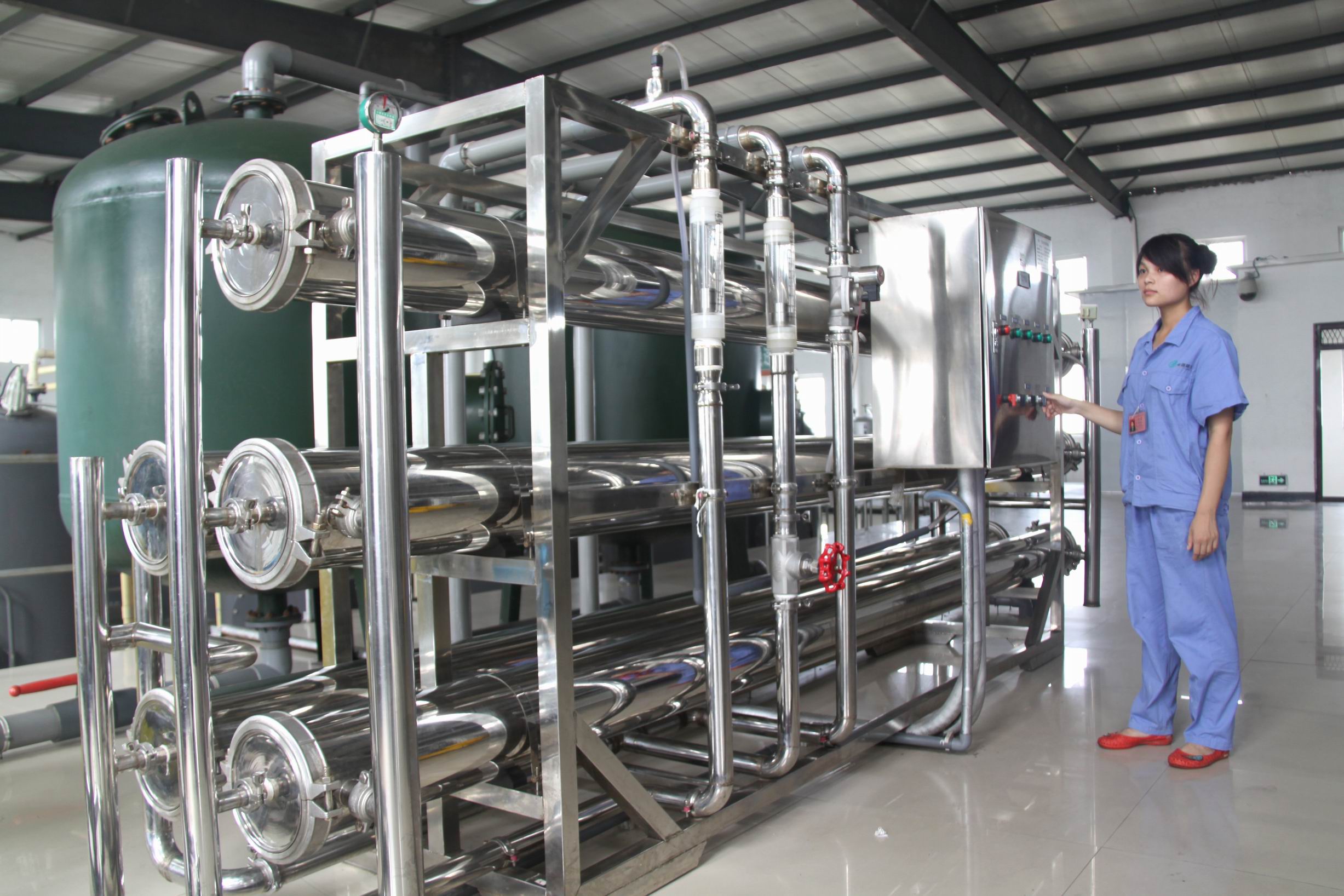
Distilled water production
Imbalance Between Cost and Quality Awareness
More thorough cleaning, the use of higher-grade disinfectants (e.g., peracetic acid), procurement of high-purity food-grade raw materials, and the establishment of a comprehensive online monitoring system all entail higher production costs. Under pressure from price competition, some enterprises may streamline these quality control steps.
Differences in Standards and Regulatory Enforcement
For a long time, the level of attention and the maximum residue limits (MRLs) for chlorate in food additives under Chinese domestic standards differed from those of the EU. This led to relatively lax internal control standards in some enterprises, as meeting EU standards was not a mandatory production threshold.
Conclusion: Excessive chlorate is not a technical challenge but a reflection of inadequate fine management of the production process and lax execution of the quality management system. It exposes shortcomings in enterprises regarding source control, process management, and quality culture.
The EU has extremely strict controls on chlorate, primarily based on risk assessments by the European Food Safety Authority (EFSA), which indicate chlorate may inhibit thyroid function.
Standards in Food Additives:
For specific food additives like xanthan gum, the EU explicitly sets chlorate limits in their purity specifications. For example, in the EU Regulation (EU) No 231/2012 on food additives, the limit for chlorate (calculated as ClO₃⁻) is typically set at not more than 0.5 mg/kg for various gums, including xanthan gum. This is a mandatory entry standard that the xanthan gum product itself must meet.
Maximum Residue Levels (MRLs) in Food:
Beyond additive purity, the EU also focuses on the total chlorate entering final food products from various sources (including water treatment, disinfectant residues). EU Regulation (EU) 2020/749 establishes temporary maximum residue levels (MRLs) for chlorate in various foods, typically ranging from 0.01 to 0.7 mg/kg, with specific values varying by food category (e.g., fruits, vegetables, dairy products, infant formula each have different regulations).
This means that even if the xanthan gum itself is compliant, the food product cannot be sold on the EU market if the total chlorate exceeds the limit due to other reasons.
Implications for Enterprises:
For Chinese xanthan gum manufacturers intending to enter the EU market, it is essential to:
Upgrade Internal Control Standards: Set internal control standards for chlorate stricter than or equal to the EU's 0.5 mg/kg.
Restructure the Production Process: Establish a comprehensive, chain-wide chlorate prevention and control system covering water sources, raw materials, equipment cleaning, production processes, and finished product testing, and validate it.
Provide Proof of Compliance: Each batch of exported products should be accompanied by a Certificate of Analysis (COA) demonstrating compliance with regulations like (EU) No 231/2012.
In short, chlorate represents a clear technical barrier to trade between some Chinese xanthan gum producers and the EU market. The only way to overcome it is through the unwavering implementation of high-standard, full-process quality management.
CAG Hydrocolloids offer high quality Transparent xanthan gum with Chlorate content less than 0.1ppm. Please contact CAG for more details.

Email: info@cagcolloids.com
Tel: 0086-19884908291 / 0086-573- 80890620
Website: www.cagcolloids.com
Address: No. 399, East Tongfu Road, Tongxiang City, Zhejiang Province. China.