

FAQs
Nature Refined, Quality Defined
Green Science for better living

Which Hydrocolloid Produces the Best Freeze-Thaw Stability?
Not all hydrocolloid gels survive freezing equally well. Some release large amounts of water after thawing, while others maintain their original structure.
| Hydrocolloid | Freeze-Thaw Stability |
|---|---|
| ι-Carrageenan | Excellent |
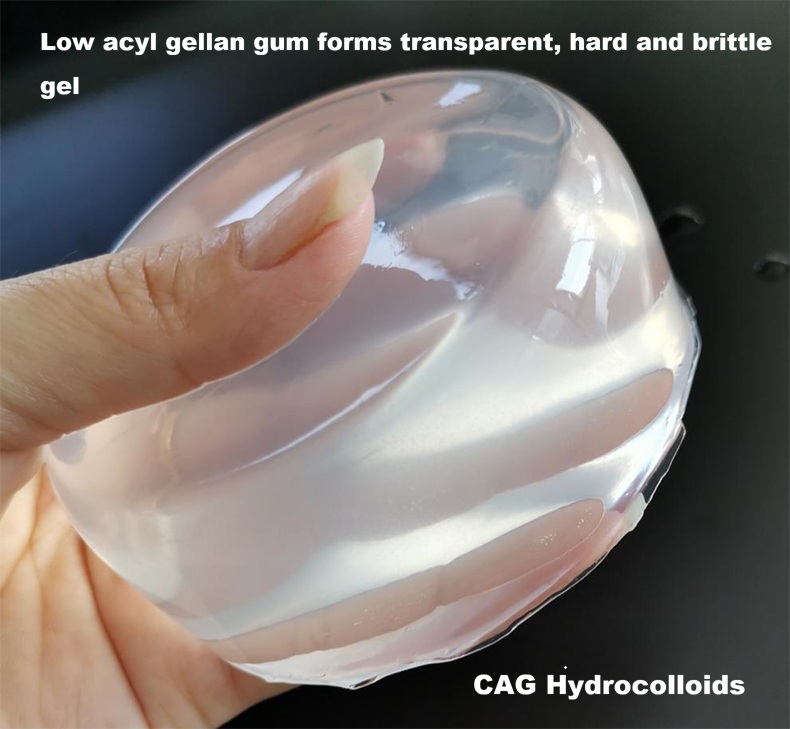
| Gellan Gum | Excellent |
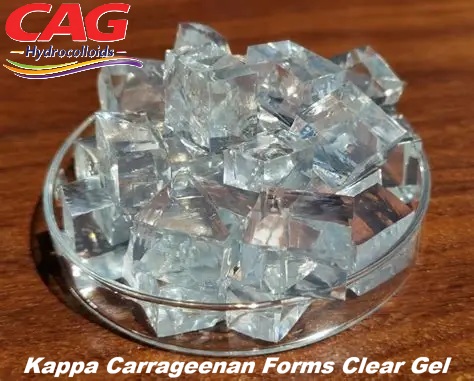
| κ-Carrageenan | Good |
| Pectin | Moderate |
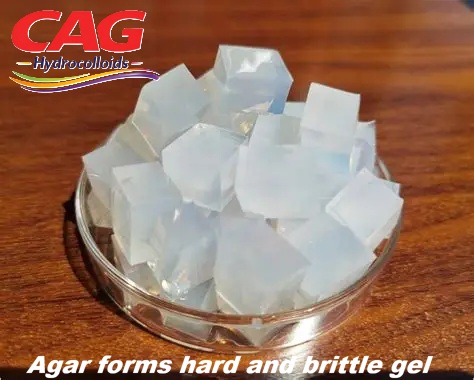
| Agar | Poor |
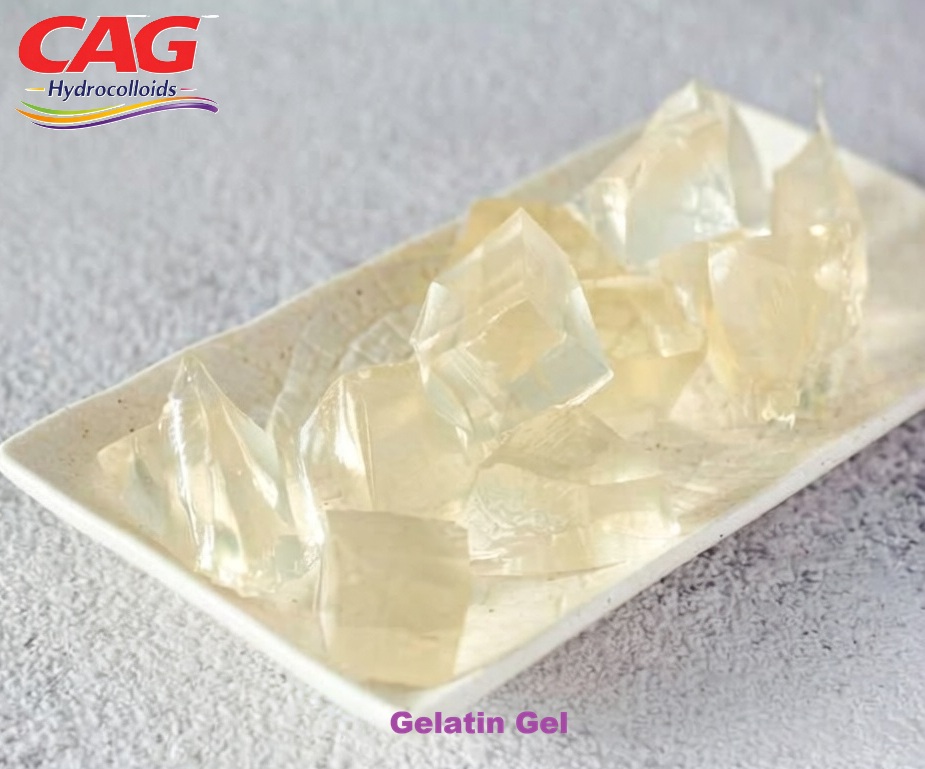
| Gelatin | Poor |
During freezing, ice crystals grow and disrupt the gel network. Upon thawing, damaged gels release water, a phenomenon known as syneresis.
Agar gels are particularly susceptible because their rigid structure cannot recover after ice crystal damage. Gelatin behaves similarly and often collapses after freeze-thaw cycling.
Iota carrageenan and gellan gum form more resilient networks that better resist ice crystal disruption and retain water during thawing.
| Application | Recommended Hydrocolloid |
|---|---|
| Frozen Dessert | ι-Carrageenan |
| Frozen Fruit Preparation | Gellan Gum |
| Frozen Dairy Product | ι-Carrageenan |
| Refrigerated Jelly | Agar |
For products exposed to freezing and thawing, iota carrageenan and gellan gum generally provide the best stability.


Email: info@cagcolloids.com
Tel: 0086-19884908291 / 0086-573- 80890620
Website: www.cagcolloids.com
Address: No. 399, East Tongfu Road, Tongxiang City, Zhejiang Province. China.