

FAQs
Nature Refined, Quality Defined
Green Science for better living

What is the role of hydrocolloids in food?
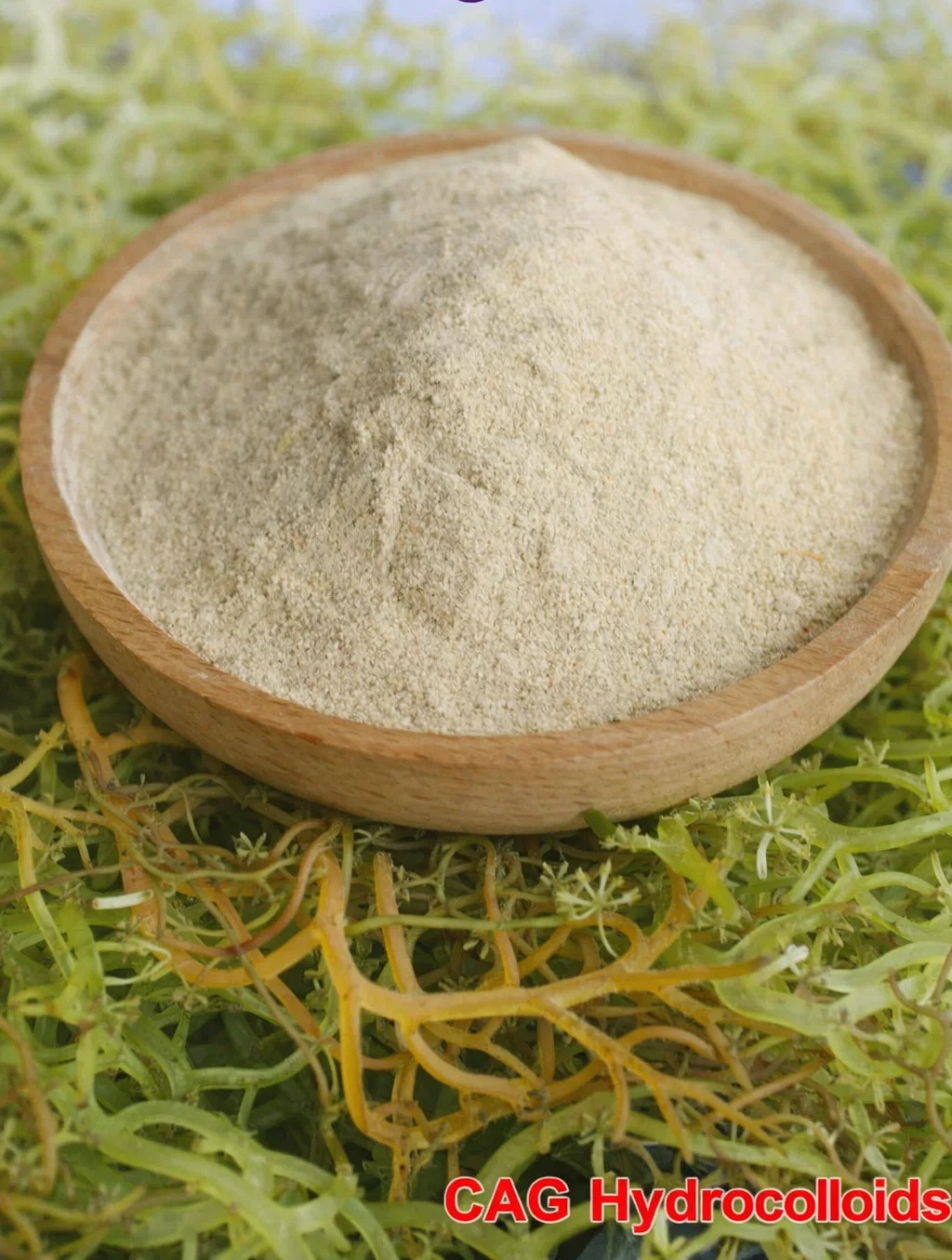
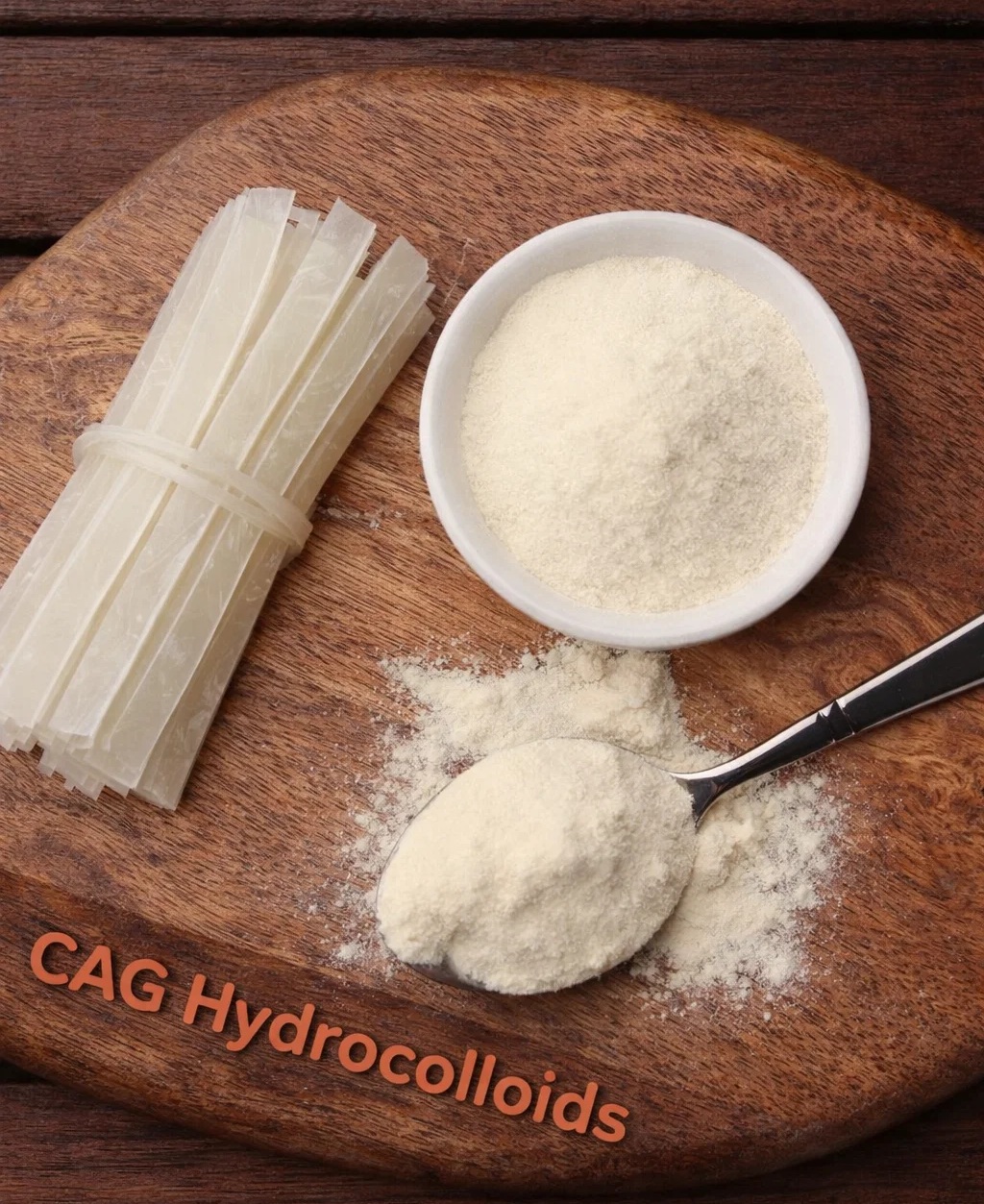
Hydrocolloids are a class of food additives widely used in the food industry due to their ability to modify the texture, stability, appearance, and shelf life of products. They are polysaccharides or proteins that disperse in water to form colloidal systems, providing functional properties through thickening, gelling, emulsifying, stabilizing, and water-binding effects.
|
Function |
Mechanism |
Common Examples |
|---|---|---|
|
Thickening |
Increase viscosity by binding water and forming entangled networks. |
Xanthan gum, guar gum, starch. |
|
Gelling |
Form three-dimensional networks that trap water, creating solid or semi-solid structures. |
Agar, carrageenan, gelatin, pectin, gellan gum. |
|
Stabilizing |
Prevent phase separation (e.g., in emulsions, suspensions, foams) by controlling rheology and interfacial tension. |
Carrageenan (in dairy), pectin (in jams), cellulose gums. |
|
Water Binding |
Retain moisture, improving texture and extending shelf life. |
Alginate, carboxymethyl cellulose (CMC), konjac gum. |
|
Emulsification |
Help disperse immiscible liquids (e.g., oil in water) by reducing surface tension. |
Gum arabic, modified starches. |
|
Fat Replacement |
Mimic the mouthfeel of fat by providing lubricity and creaminess. |
Inulin, pectin, β-glucan. |
|
Cryoprotection |
Inhibit ice crystal growth in frozen foods. |
Locust bean gum, xanthan gum. |
|
Hydrocolloid |
Source |
Primary Applications |
|---|---|---|
|
Xanthan Gum |
Microbial fermentation |
Sauces, dressings, gluten-free baking, beverages. |
|
Carrageenan |
Red seaweed |
Dairy products (yogurt, ice cream), meat analogs, toothpaste. |
|
Pectin |
Citrus peel/apple pomace |
Jams, jellies, fruit fillings, gummy candies. |
|
Agar |
Red seaweed |
Microbiological media, confectionery, desserts. |
|
Gelatin |
Animal collagen |
Gummies, marshmallows, aspic, pharmaceutical capsules. |
|
Alginate |
Brown seaweed |
Restructured foods (fruit toppings), edible films, wound dressings. |
|
Guar Gum |
Guar beans |
Ice cream, bakery, sauces, plant-based beverages. |
|
Gellan Gum |
Microbial fermentation |
Plant-based gels, dessert jellies, coatings. |
|
Carboxymethyl Cellulose (CMC) |
Plant cellulose |
Ice cream, baked goods, dairy alternatives. |
Texture Design – Enable customized mouthfeel, from creamy to elastic.
Stability Enhancement – Prevent syneresis, sedimentation, and oil separation.
Clean-Label Trends – Natural hydrocolloids (e.g., agar, pectin) replace synthetic stabilizers.
Dietary Needs – Support gluten-free, vegan, and low-fat formulations.
Processing Efficiency – Improve heat stability, freeze-thaw tolerance, and shear resistance.
Synergistic Blends: Combining hydrocolloids (e.g., carrageenan + locust bean gum) to enhance performance.
Clean-Label Demand: Shift toward fewer additives, with "natural" labeling (e.g., "seaweed extract" for carrageenan).
Novel Applications: 3D-printed foods, edible packaging, and precision fermentation-derived gums.
In summary, hydrocolloids are multifunctional tools that empower food scientists to engineer products with desired sensory attributes, stability, and nutritional profiles, meeting evolving consumer expectations and industrial processing demands.


Email: info@cagcolloids.com
Tel: 0086-19884908291 / 0086-573- 80890620
Website: www.cagcolloids.com
Address: No. 399, East Tongfu Road, Tongxiang City, Zhejiang Province. China.