


FAQs
Nature Refined, Quality Defined
Green Science for better living

What is the relationship between the viscosity of aqueous solutions and the gel strength of Kappa-type carrageenan and low-acyl gellan gum? Can this represent product quality?
Kappa-type carrageenan and low-acyl gellan gum share many similarities. For example, both typically require high-temperature filtration through a plate and frame filter to obtain a clarified colloidal solution. This is followed by the addition of potassium chloride to form a reversible gel for pressing, or direct extraction using lower alcohols. Often, the high-temperature filtration process encounters issues such as excessively high plate and frame pressure or very slow filtration speeds. In such cases, factories usually acidify the colloidal solution to be filtered, reducing the molecular weight of the product and thereby lowering the viscosity of the colloidal solution to improve filtration speed. Therefore, it is generally believed that Kappa-type carrageenan and low-acyl gellan gum with higher viscosity also exhibit higher gel strength, indicating better product quality.
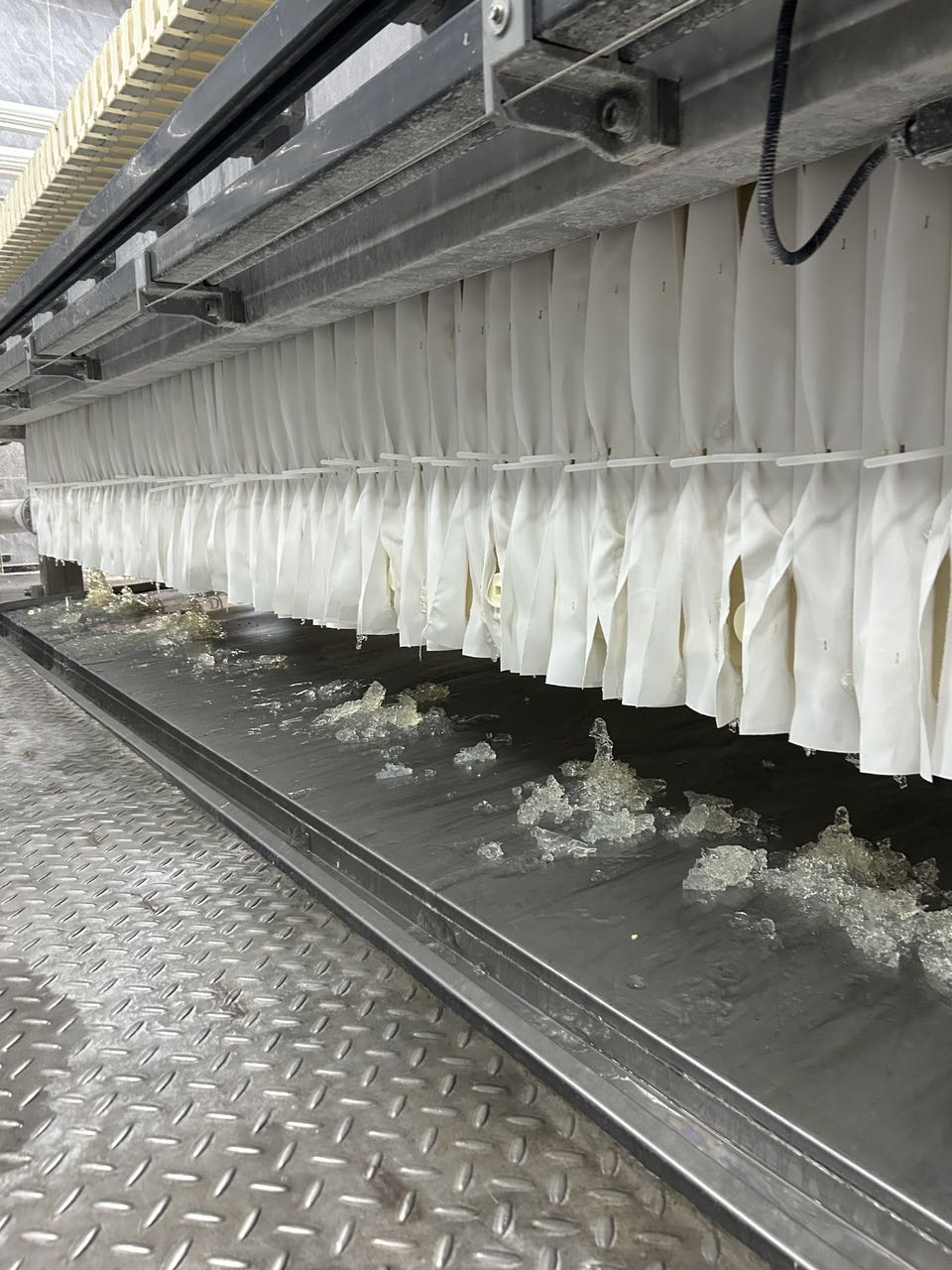
Higher Pressure brings trouble to K-Carrageenan and LA gellan gum Production
Of course, this conclusion is drawn under the premise that all other conditions remain consistent. In many cases, high viscosity does not necessarily equate to high gel strength, as factors such as potassium ions, calcium ions, and various other influences in different product application systems can lead to inconsistencies between viscosity and strength test results.
However, overall, high-quality Kappa-type carrageenan and low-acyl gellan gum usually have well-controlled filtration processes. CAG Hydrocolloids employs a specialized high-temperature filtration process that does not require degrading the colloidal solution. This allows for rapid filtration of the colloidal solution even under conditions of high viscosity and high pressure. Consequently, both the gel strength of the carrageenan and gellan gum and the viscosity of their solutions are high, placing the product quality at a leading level.
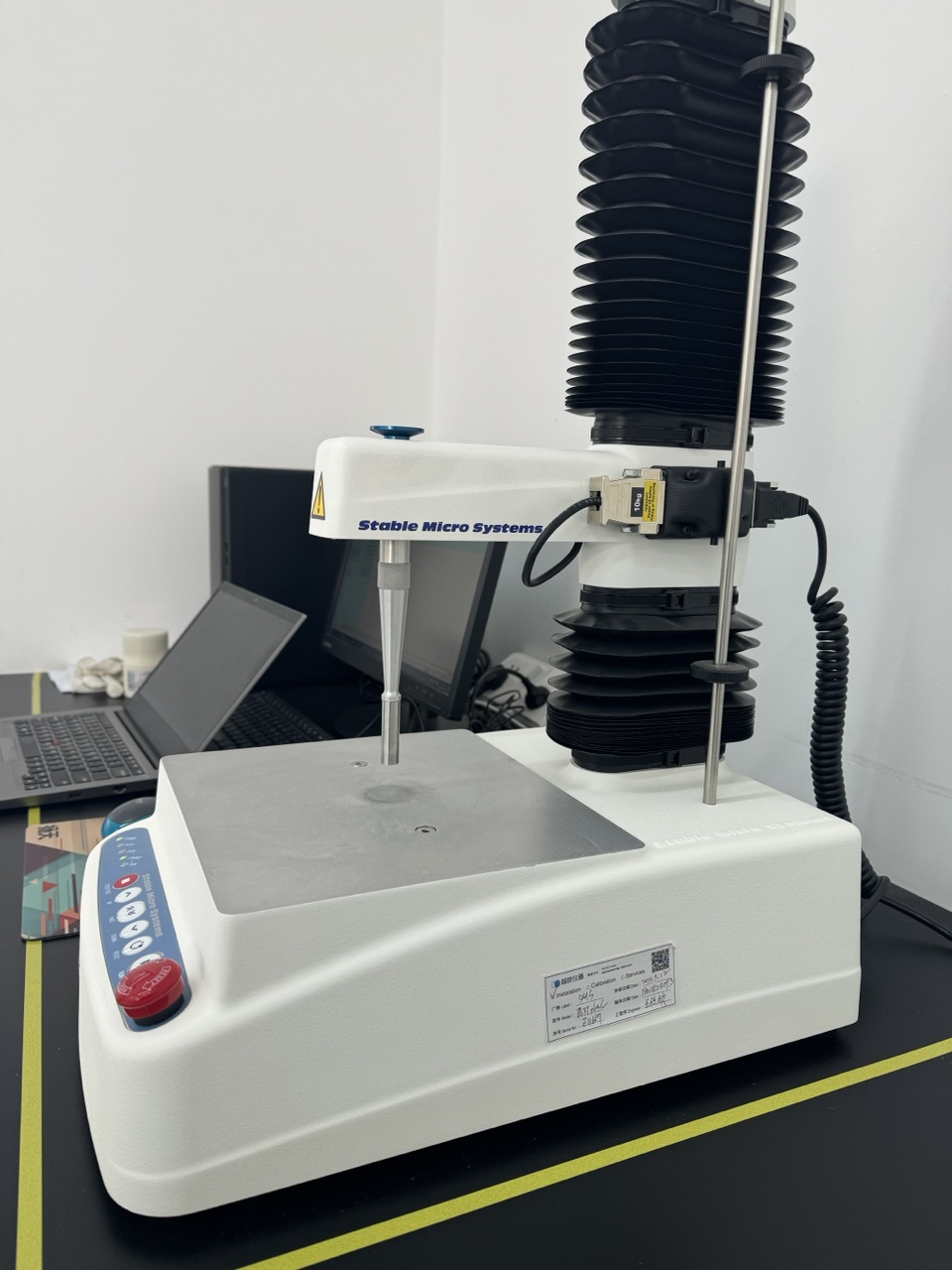
TPA is the gel strength testing instrument
Naturally, higher product viscosity is not always better. Some applications, such as hard capsule production, benefit from high viscosity as it aids in mold dipping. In contrast, during bubble tea pearl production, high viscosity can hinder pumping and may cause tailing phenomena in the pearls. Therefore, the viscosity of the colloid should be adjusted according to the customer's specific usage scenario. CAG Hydrocolloids possesses a strong R&D team capable of providing customized colloids with varying viscosities and gel strengths tailored to different customer application needs.
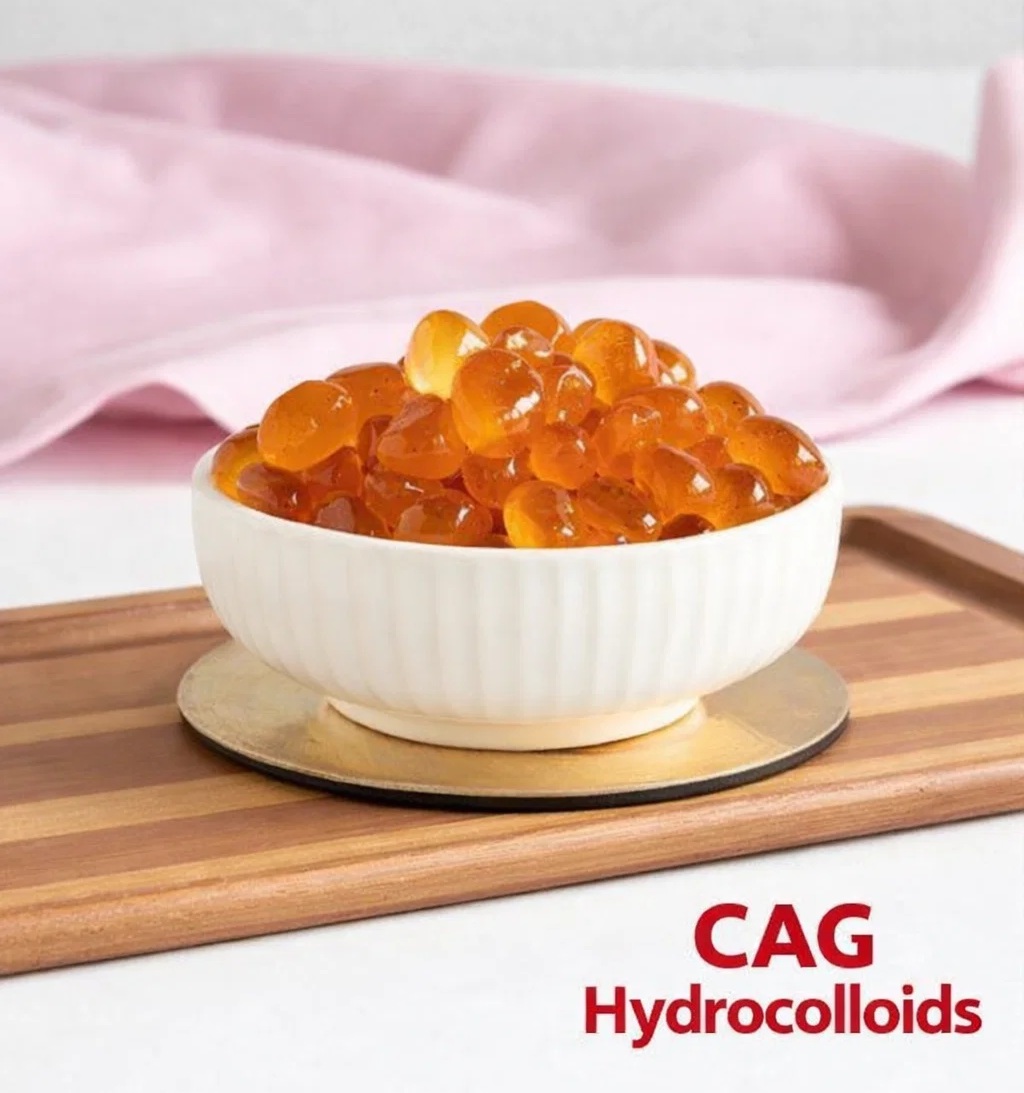
The Low Viscosity is more suitable for Boba Pearls


Email: info@cagcolloids.com
Tel: 0086-19884908291 / 0086-573- 80890620
Website: www.cagcolloids.com
Address: No. 399, East Tongfu Road, Tongxiang City, Zhejiang Province. China.