


FAQs
Nature Refined, Quality Defined
Green Science for better living

What is carrageenan, and how is it chemically defined and extracted from nature?
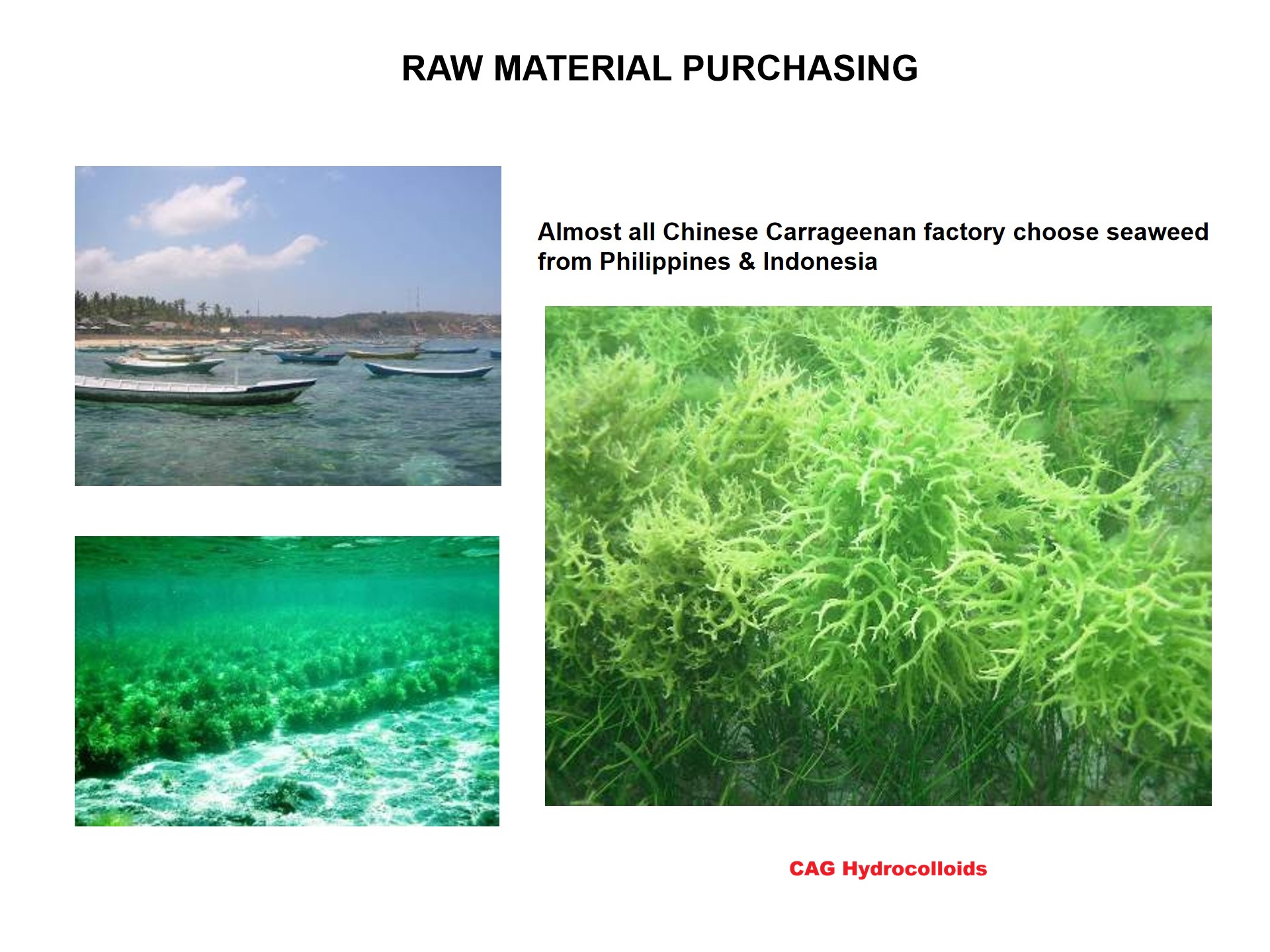
Carrageenan is a natural, sulfated linear polysaccharide classified as a hydrocolloid. Chemically, it is primarily composed of potassium, sodium, magnesium, and calcium sulfate esters of galactose and 3,6-anhydro-galactose copolymers. It is not synthetically manufactured but is extracted from specific species of red seaweeds (Rhodophyceae). The industrial extraction process involves treating the raw seaweed with hot water or alkaline water. The resulting liquid extract undergoes purification via centrifugation and/or filtration. The carrageenan is then recovered from this purified solution, most commonly through alcohol precipitation (using methanol, ethanol, or isopropanol), which yields a high-purity powder. An alternative, less common method is drum drying, though it may result in a product with higher impurities.

Email: info@cagcolloids.com
Tel: 0086-19884908291 / 0086-573- 80890620
Website: www.cagcolloids.com
Address: No. 399, East Tongfu Road, Tongxiang City, Zhejiang Province. China.