


FAQs
Nature Refined, Quality Defined
Green Science for better living

What are the demonstrated advantages of using Gelrite (gellan gum) over agar in microbiological and plant tissue culture media?
In laboratory culture media, Gelrite is positioned as a premium, high-performance alternative to agar, offering several distinct advantages stemming from its fermentation origin and polymer chemistry:
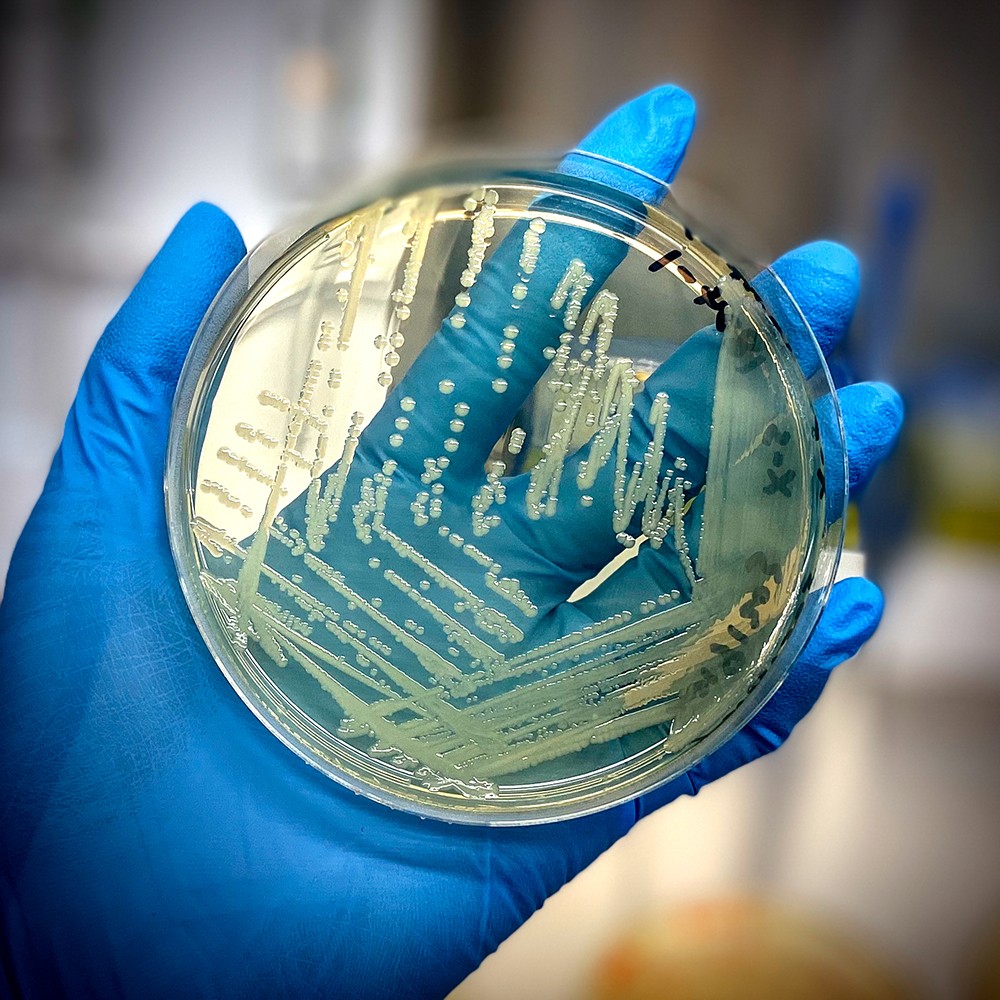
High Purity and Clarity: Being synthesized microbiologically, it is free from impurities, inhibitors, and variable constituents often found in seaweed-derived agar (e.g., polyphenols, sulfur compounds, trace metals). It forms optically clear, water-like gels, enabling superior microscopic observation and photodocumentation.
Thermostability: Gelrite gels do not re-melt upon reheating, making them uniquely suited for the cultivation of thermophilic microorganisms that require incubation temperatures (e.g., 50-60°C) that would liquefy agar gels.
Superior Gel Strength at Lower Use Levels: Effective gelation can be achieved at lower concentrations than agar, potentially reducing media cost per plate and improving handling characteristics.
Enhanced Growth for Some Organisms: Studies cited show that for certain fastidious microbes, including some mesophilic Methanobacteriumspecies, growth on Gelrite media was improved, with higher cell yields and/or reduced incubation times.
Noted practical considerations include its higher setting temperature (which can complicate pouring and may cause hemolysis in blood agar) and, in some formulations, difficulty in re-melting.


Email: info@cagcolloids.com
Tel: 0086-19884908291 / 0086-573- 80890620
Website: www.cagcolloids.com
Address: No. 399, East Tongfu Road, Tongxiang City, Zhejiang Province. China.