


FAQs
Nature Refined, Quality Defined
Green Science for better living

In stirred yogurt, lactic acid bacteria beverages, and acidified dairy beverages, what types of pectin are used and what are the addition amounts?
The following is a professional explanation based on common industry standards:
|
Product Type |
Recommended Pectin Type |
Main Function |
Typical Addition Range |
Key Application Points |
|---|---|---|---|---|
|
Stirred Yogurt |
Low-ester pectin, especially amidated low-ester pectin |
1. Stabilize protein: Prevent whey separation (syneresis). |
0.15% - 0.30% (based on final product) |
• Pectin is usually added after fermentation, before pasteurization, along with sugar, flavors, etc. |
|
Lactic Acid Bacteria Beverages / Acidified Dairy Beverages |
High-ester pectin |
1. Suspension stabilization: Prevent sedimentation of fruit pulp or fine particles in acidic, low-protein, transparent, or semi-transparent beverages. |
0.1% - 0.3% (based on final product) |
• Suitable for systems with low pH (typically <3.8) and high sugar content. |
|
Acidic Dairy Beverages |
Low-ester pectin, especially amidated low-ester pectin |
1. Stabilize milk protein: This is the primary function. In an acidic environment (pH 3.6-4.2), it prevents casein aggregation and precipitation through electrostatic repulsion and steric hindrance. |
0.2% - 0.5% (based on final product) |
• This is the industry-standard stabilizer for acidic dairy beverages (e.g., juice milk, acidic protein beverages). |
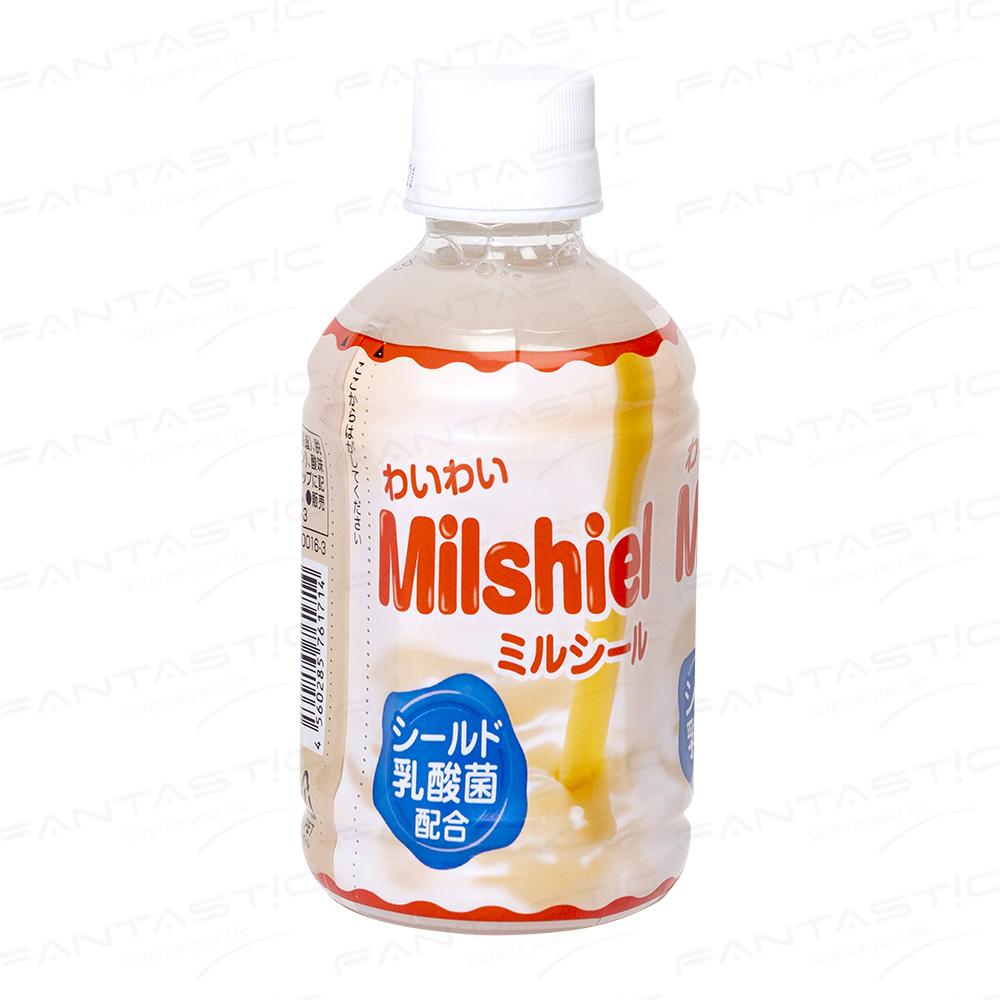
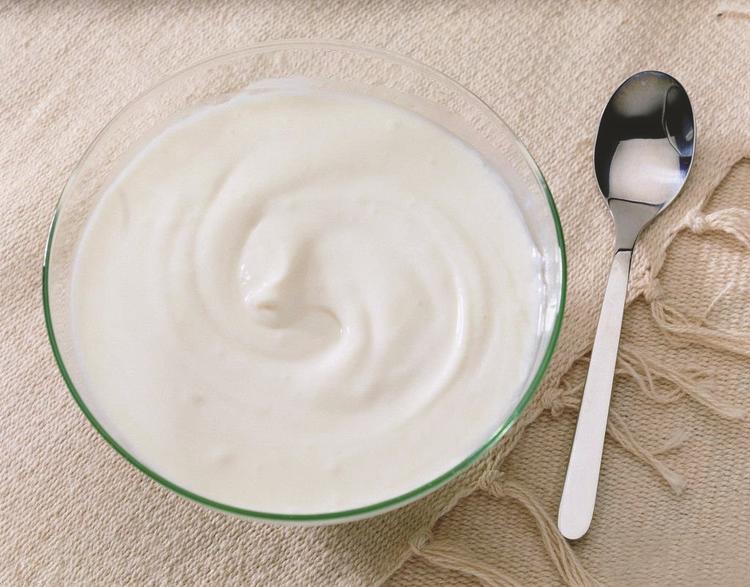
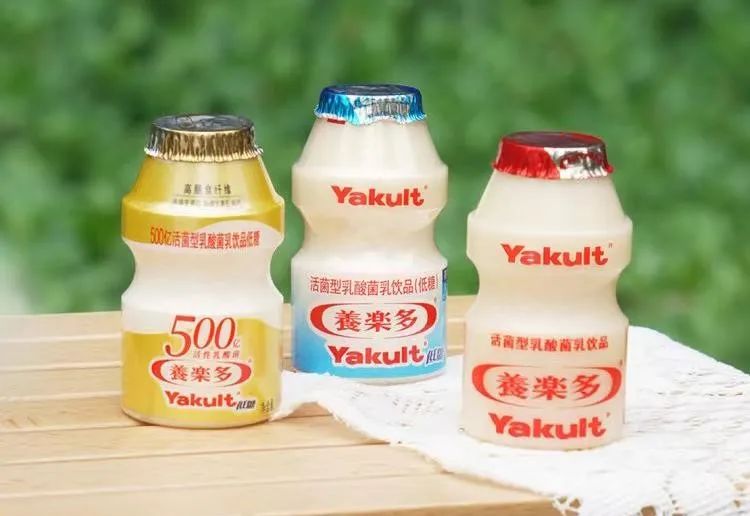
Key to Pectin Type Selection: The core criterion is the component that needs stabilization in the product.
If milk protein needs stabilization (e.g., yogurt, acidic dairy beverages), low-ester/amidated pectin must be used.
If insoluble particles (e.g., fruit pulp, tea powder) need stabilization in a high-sugar, high-acid system, high-ester pectin can be used.
Clarification on "Lactic Acid Bacteria Beverages": This term can be ambiguous.
If it refers to diluted lactic acid bacteria beverages (e.g., Yakult), which have very low protein content and primarily aim to stabilize live bacteria or flavors, high-ester pectin or other hydrocolloids may be used.
If it refers to acidic dairy protein beverages (e.g., formulated acidified milk beverages), which contain significant milk protein, low-ester/amidated pectin must be used to prevent protein precipitation. The "acidified dairy beverages" in your question typically fall into this category.
Variables in Addition Amounts: The addition ranges above are general starting points. The optimal addition amount depends on:
The product's total solids, fat, and protein content.
The target pH of the product.
Production processes (e.g., homogenization pressure, heat treatment intensity).
The combination with other stabilizers (e.g., CMC, HA gellan gum).
Summary Recommendation:
In practical product development, it is highly recommended to collaborate with the application technologists of CAG Hydrocolloids. we can recommend the most suitable pectin type based on your specific formulation, process parameters, and product requirements, and assist you in determining the optimal addition amount through experimentation.


Email: info@cagcolloids.com
Tel: 0086-19884908291 / 0086-573- 80890620
Website: www.cagcolloids.com
Address: No. 399, East Tongfu Road, Tongxiang City, Zhejiang Province. China.