


FAQs
Nature Refined, Quality Defined
Green Science for better living

How to select the appropriate hydrocolloids based on the evaluation of the product system and process conditions?
Hydrocolloids must remain stable in your product environment. This is a critical constraint for selection.
pH Value:
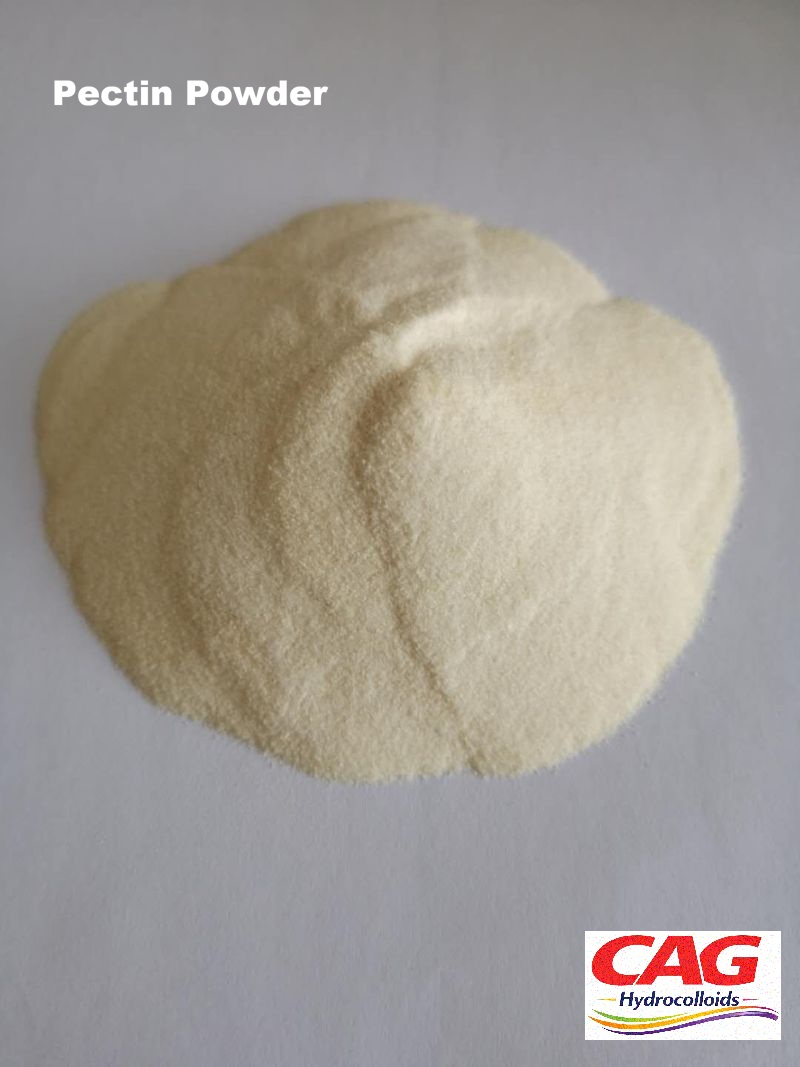
Acidic Systems (pH < 4.0, e.g., fruit juices, yogurt): Choose acid-resistant hydrocolloids, such as pectin (LM type), xanthan gum, gellan gum, and propylene glycol alginate (PGA). Carrageenan and agar are prone to degradation under prolonged heating in acidic conditions.
Neutral or Alkaline Systems: A wider range of hydrocolloids can be selected, such as carrageenan, konjac gum, guar gum, and locust bean gum.
Ionic Environment:
High Calcium/High Salt Systems (e.g., dairy products, meat products): Pay attention to interactions between hydrocolloids and ions. For example:
κ-Carrageenan forms strong gels with potassium ions.
Sodium alginate undergoes instantaneous gelation with calcium ions.
Xanthan gum is insensitive to ions.
CMC and sodium alginate may flocculate in high-calcium environments.
Processing Conditions:
Heat Treatment: For products requiring high-temperature sterilization, choose heat-stable hydrocolloids, such as gellan gum, xanthan gum, and konjac gum.
Shear Conditions: If the production process involves high-shear steps (e.g., homogenization), consider the shear recovery of the hydrocolloid. Xanthan gum recovers quickly, while some gels, once disrupted by shear, cannot recover.
Storage and Sales Conditions:
Refrigeration/Freezing/Ambient Temperature: Different hydrocolloids exhibit varying sensitivities to temperature in terms of gel properties. For example:
Gelatin gels melt at body temperature.
Agar gels are heat-stable but prone to syneresis (water separation)


Email: info@cagcolloids.com
Tel: 0086-19884908291 / 0086-573- 80890620
Website: www.cagcolloids.com
Address: No. 399, East Tongfu Road, Tongxiang City, Zhejiang Province. China.