


FAQs
Nature Refined, Quality Defined
Green Science for better living

How does modern freeze-thaw dehydration compare to gel-pressing in agar manufacturing?
Both industrial processes target the removal of up to 98% of free water from the raw agar gel, but they utilize entirely different physical principles:
Freeze-Thaw Dehydration: Mimics traditional artisan methods by freezing agar gel strips to grow large ice crystals. These growing crystals push the agarose chains into dense, highly aggregated arrays. When thawed, the melting ice flows away, washing out water-soluble impurities and inorganic salts, yielding a highly purified agar strip or flake that is easily dried via hot-air tunnels.
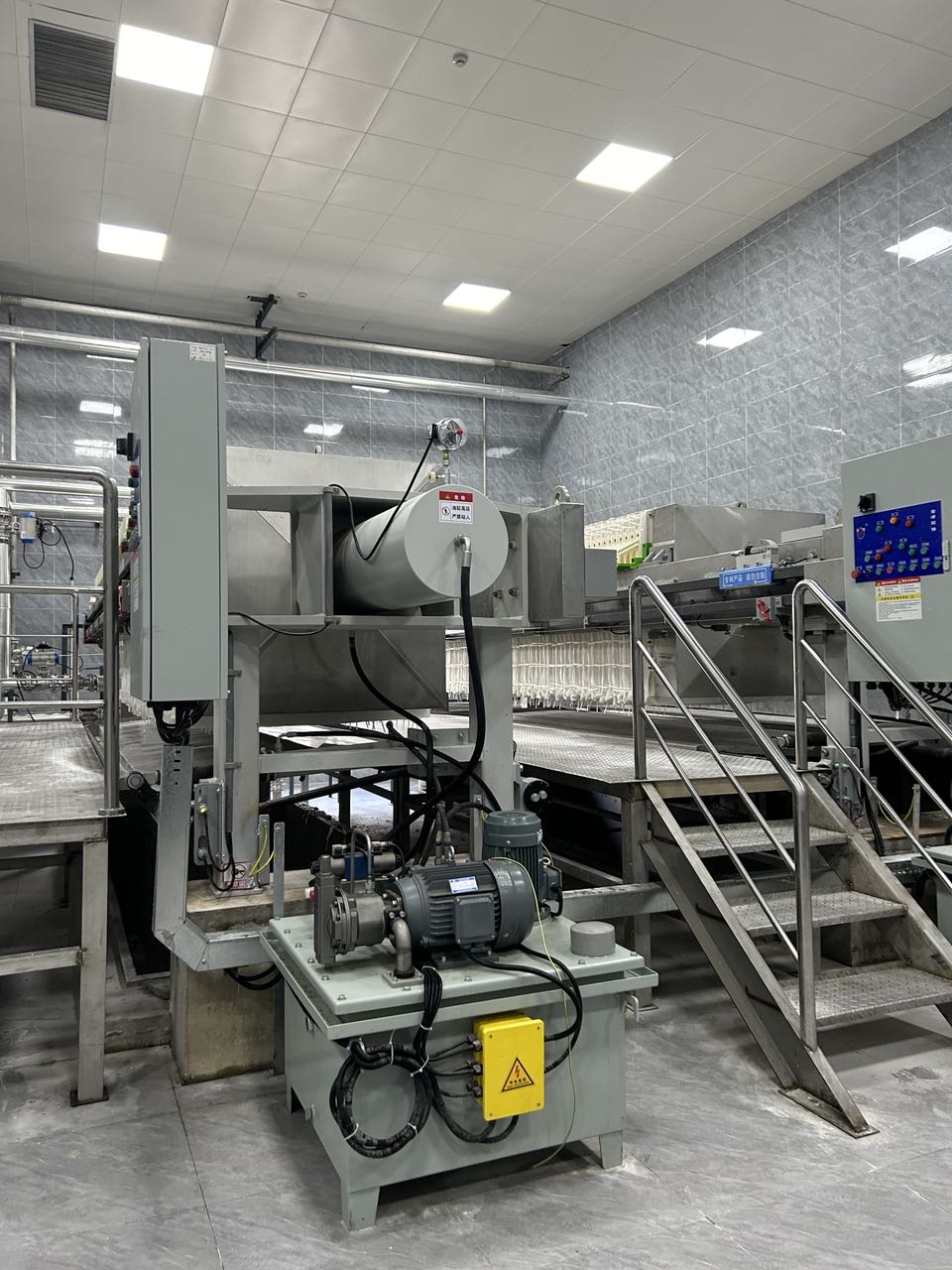
Gel-Pressing Dehydration: Utilizes high-efficiency mechanical hydraulic presses or belt filters to squeeze free water directly out of finely chopped gel pieces wrapped in high-strength nylon filter cloths. While gel-pressing requires far less energy and significantly shortens production cycles—reducing the risk of bacterial contamination—it lacks the native crystallization-washing effect of the freeze-thaw method, making it primarily suited for large-scale, cost-sensitive food-grade agar production.


Email: info@cagcolloids.com
Tel: 0086-19884908291 / 0086-573- 80890620
Website: www.cagcolloids.com
Address: No. 399, East Tongfu Road, Tongxiang City, Zhejiang Province. China.