

FAQs
Nature Refined, Quality Defined
Green Science for better living

How can we determine the quality of a jelly powder? What aspects can be used for professional evaluation?
A high-quality jelly powder not only determines the sensory and visual appeal of the final product but also directly impacts production efficiency and stability. Its quality can be comprehensively evaluated from the following aspects:
Texture and Mouthfeel
Elasticity and Hardness: Jelly made from high-quality powder should have moderate firmness and excellent elasticity, with a chewy, smooth, and refreshing mouthfeel, without being too brittle or overly hard.
Water Retention: The gel should maintain good water-holding capacity, with no noticeable water separation or shrinkage, and feel delicate and smooth in the mouth.
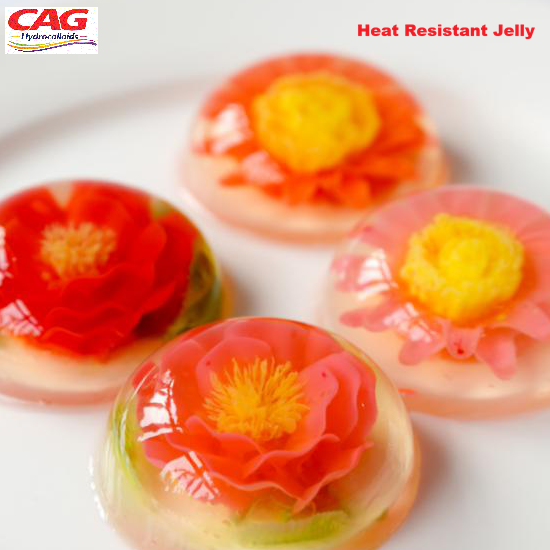
Appearance and Transparency
The gel should be crystal clear and evenly colored, without cloudiness, bubbles, or impurities, reflecting the purity of high-quality raw materials.
Flavor Presentation
The jelly powder itself should have no off-flavors and should effectively highlight the intended fruit or other added flavors without masking the natural taste of the ingredients.
Solubility and Filtrability
The powder should dissolve quickly without clumping or visible undissolved particles, yielding a uniform and fine solution that is easy to filter, minimizing raw material loss.
Gelation Speed and Workability
Gelation time should be moderate, allowing sufficient operational flexibility without unnecessarily prolonging production cycles. Its setting and melting points should be stable, facilitating demolding and cutting.
Stability and Adaptability
Performance should remain stable under varying pH, temperature, and sugar levels, making it suitable for both industrial production and home use.
Raw Material Source and Formulation
High-quality jelly powder typically uses natural or safe gelling agents (e.g., carrageenan, konjac gum) in clear and reasonable formulations, with minimal additives.
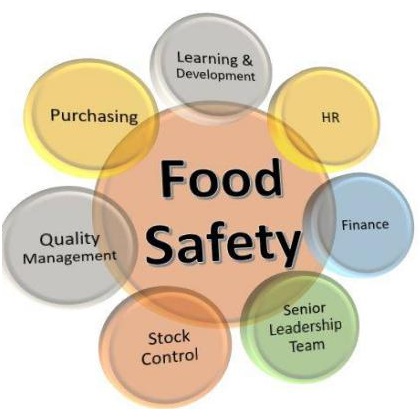
Compliance with Food Safety Standards
The product should pass relevant food safety tests, contain no illegal additives, and meet national standards for heavy metals, microorganisms, and other safety indicators.
Dosage and Cost
Achieving the same gel strength and texture with a lower usage amount helps control overall costs.
Application Range
Suitable not only for conventional jelly making but also versatile enough for puddings, mousses, suspended beverages, and other applications, enhancing its value.
For evaluation, it is advisable to combine laboratory tests (e.g., gel strength, water retention measurements) with practical application tests (small-scale trial production), while also considering the supplier’s technical support and supply chain stability. Overall, a high-quality jelly powder should strike a good balance among sensory quality, processing performance, safety, and cost-effectiveness, ultimately delivering stable, efficient, and high-quality production results.

Email: info@cagcolloids.com
Tel: 0086-19884908291 / 0086-573- 80890620
Website: www.cagcolloids.com
Address: No. 399, East Tongfu Road, Tongxiang City, Zhejiang Province. China.