


FAQs
Nature Refined, Quality Defined
Green Science for better living

Detail the production process of gellan gum and explain the critical importance of the deacylation step.
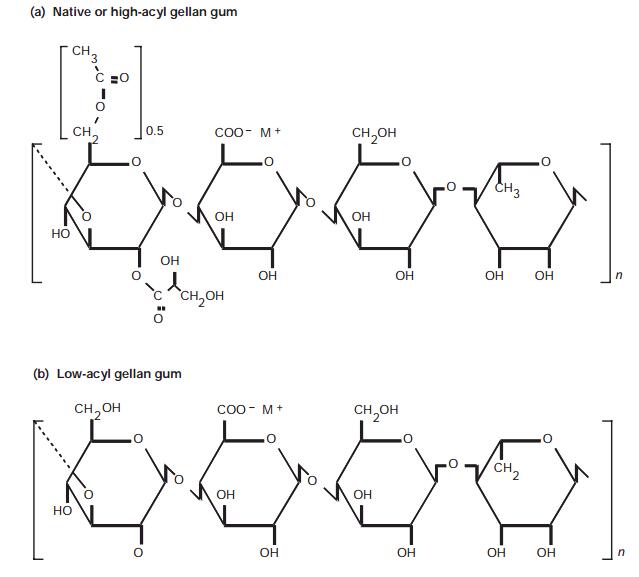
The commercial manufacture of gellan gum is a sophisticated biotechnology process. The bacterium Pseudomonas elodeais cultivated under sterile, aerobic conditions in a fermenter containing a defined medium with a carbon source (like glucose), a nitrogen source, and mineral salts. Parameters such as aeration, agitation, pH, and temperature are precisely controlled to optimize polysaccharide synthesis. Following fermentation, the broth is heat-treated to inactivate the culture. The recovery and purification process dictates the final product's properties. A pivotal step is controlled deacylation, typically achieved through mild alkaline treatment. This process removes the O-acyl groups (acetate and glycerate) from the polymer backbone. The resulting low-acyl gellan gum yields firm, brittle, and highly thermostable gels, which are the basis for its major commercial applications in food and microbiology. In contrast, the native, high-acyl form produces soft, elastic, and thermoreversible gels. This controlled modification allows producers to engineer the fundamental gelling character, providing two distinct texture platforms from a single fermentation source.


Email: info@cagcolloids.com
Tel: 0086-19884908291 / 0086-573- 80890620
Website: www.cagcolloids.com
Address: No. 399, East Tongfu Road, Tongxiang City, Zhejiang Province. China.