


FAQs
Nature Refined, Quality Defined
Green Science for better living

Comparison of hydrocolloid properties -1
|
Name |
agar (E406) |
carrageenan (E407) iota type |
carrageenan (E407) kappa type |
cornstarch |
gelatin (E441) |
|
Origin |
polysaccharide obtained from red algae (several species) |
polysaccharide obtained from red seaweed |
polysaccharide obtained from red seaweed. |
polysaccharide extracted from maize/corn |
protein obtained from collagen in animals |
|
Properties, texture |
thermoreversible, heat resistant, brittle gel; high hysteresis |
thermoreversible, soft, shear- thinning, elastic gel with calcium |
thermoreversible, firm, brittle gel with potassium |
thermoirreversible thickener |
thermoreversible, soft, elastic gel; melts in mouth |
|
Clarity |
clear to semi-opaque |
|
clear/slightly turbid |
opaque |
clear, transparent |
|
Dispersion |
in cold or hot water |
cold water, dispersion is improved by mixing with sugar (3-5x) or small amounts of alcohol |
cold water, dispersion is improved by mixing with sugar (3-5x) or small amounts of alcohol |
cold water |
bloom in cold water. |
|
Hydration (dissolution) |
> 90 °C; heating to boil necessary for gelling. |
> 70 °C; for high sugar concentrations: add sugar after hydration. |
> 70 °C |
62-72 °C |
~50 °C |
|
pH |
2.5-10 |
4-10 |
4-10 |
|
4-10 |
|
Setting |
35-45 °C, rapid (minutes) |
40-70 °C (0.2-0.8%), higher temp. with increasing electrolyte conc. |
30-60 °C (0.2-0.8%), higher temp. with increasing electrolyte conc. |
thickens when heated > 70 °C |
< 15 °C, slow (hours) |
|
Melting |
80-90 °C% |
5-10 °C above setting temperature (unless mixed with starch) |
10-20 °C above setting temperature (unless mixed with certain proteins) |
|
25-40 °C |
|
Promoter |
sugar; sorbitol and glycerol improve elasticity. |
calcium yields soft and elastic gels |
potassium, milk protein |
|
transglutaminase (1-3%), milk, sugar, low alcohol conc. |
|
Inhibitor |
tannic acid (counteracted by add. of glycerol); prolonged heating at pH outside the range 5.5-8 |
hydrolysis of solution at low pH with prolonged heating; gels are stable |
salts; hydrolysis of solution at low pH with prolonged heating; gels are stable |
pH around 2-3 lowers viscosity |
salts; acids; prolonged heating; proteases in fresh kiwi, papaya, pineapple, peach, mango, guava, fig; high alcohol conc.; tannins can cause precipitation |
|
Tolerates |
salt, sugar, alcohol, acid, proteases |
salt |
|
|
alcohol up to ~40% |
|
Viscosity of solution |
low |
medium |
low |
high once fully hydrated |
low |
|
Typical concentration |
0.2% will set, 0.5% gives firm jelly, [0.24-3%] * |
1-1.5% for gel [0.02-1.5%] |
1.5% for gel [0.02-1.5%] |
[0.4-10.4%] |
0.5-1.5% for espumas; 0.6-1.7% for gels; [0.12-7.9%] |
|
Synergies |
locust bean gum (only with certain agar types) |
starch |
locust bean gum (increased elasticity, improves clarity, reduced syneresis), konjac, tara, milk protein |
|
|
|
Syneresis |
yes (can be prevented by replacing 0.1-0.2% agar with locust bean gum) |
no |
yes |
|
|
* Concentrations in [square brackets] show range exemplified in this collection
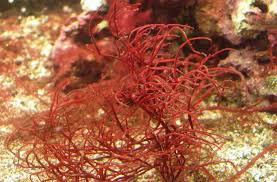
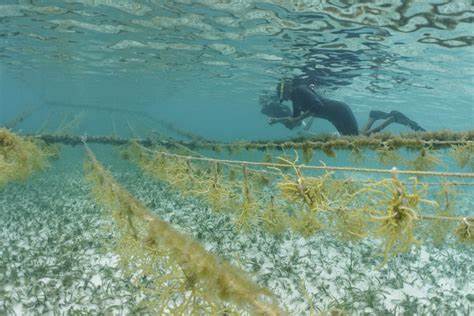
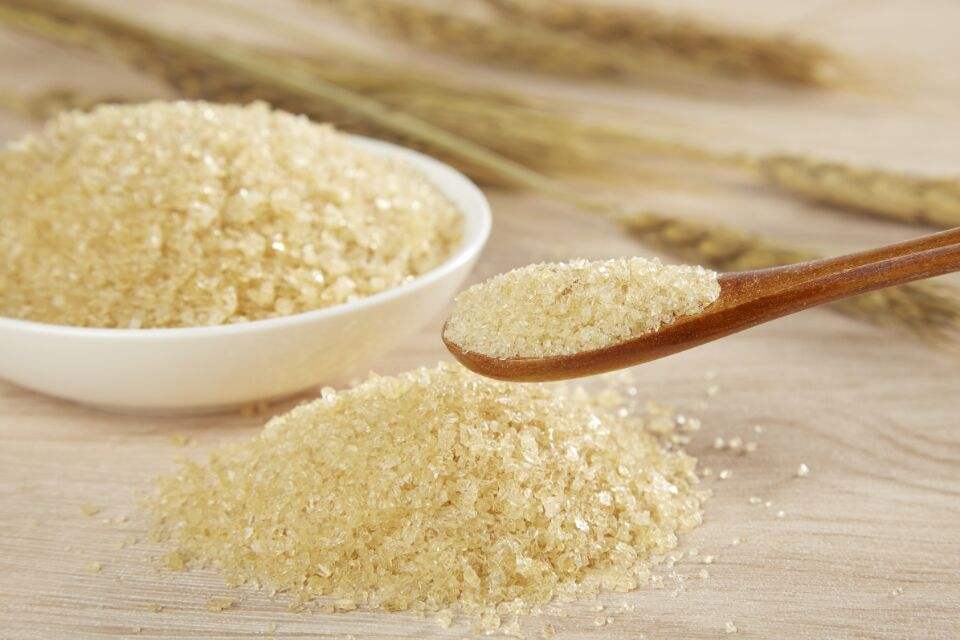
Seaweed for Agar Seaweed for Carrageenan Gelatin


Email: info@cagcolloids.com
Tel: 0086-19884908291 / 0086-573- 80890620
Website: www.cagcolloids.com
Address: No. 399, East Tongfu Road, Tongxiang City, Zhejiang Province. China.