


FAQs
Nature Refined, Quality Defined
Green Science for better living

Agar: The Timeless Hydrocolloid for Gel Strength, Heat Resistance, and Versatility
Among all hydrocolloids used in food, biotechnology, and industrial applications, agar remains one of the most trusted and widely recognized. Extracted from selected species of red seaweed, agar has been used for over a century as a gelling agent, culture medium, stabilizer, and texturizer.
Despite the emergence of modern hydrocolloids such as gellan gum, carrageenan, and pectin, agar continues to hold a unique position thanks to its strong gel strength, excellent thermal hysteresis, clean-label appeal, and broad regulatory acceptance.
Let's explore the major application fields of agar and the functional advantages that continue to make it indispensable across multiple industries.
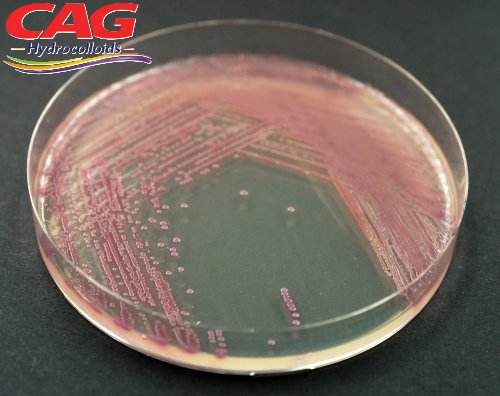
Perhaps no application is more iconic than agar's role in microbiology.
Agar revolutionized microbiology because it possesses a unique thermal profile:
This large temperature gap allows culture media to remain solid at incubation temperatures while still being easily sterilized and poured.
Additional advantages include:
Even today, agar remains the global standard for microbiological culture media.
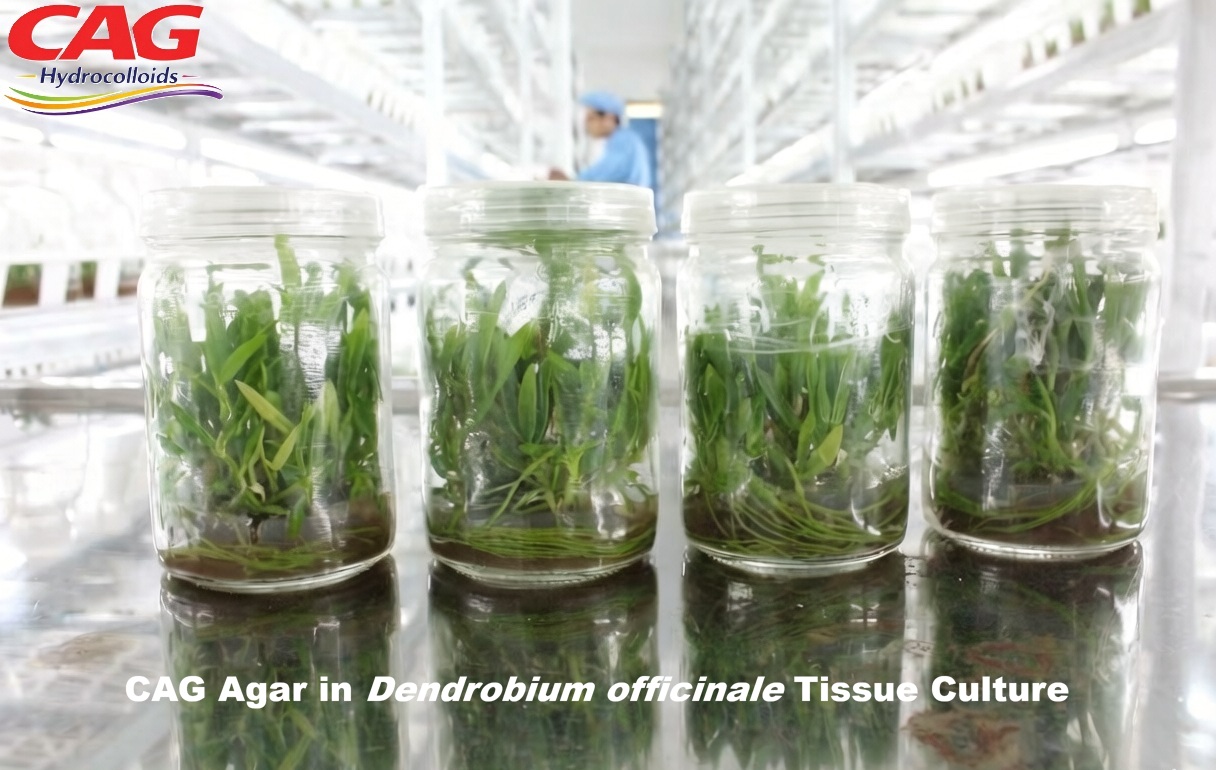
Agar has served as the primary gelling agent in plant tissue culture for decades.
Agar provides:
Although gellan gum has gained popularity in high-end tissue culture applications, agar remains the most widely used medium due to its cost-effectiveness and ease of use.
Agar is one of the most versatile hydrocolloids in the food industry.
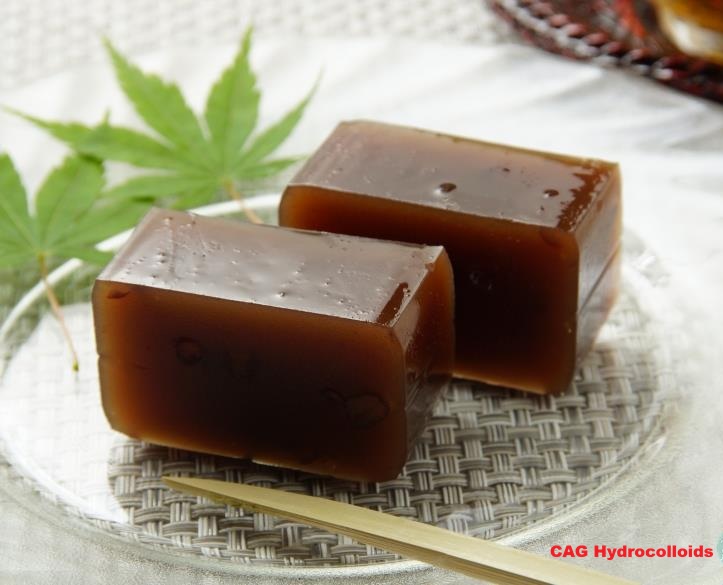
Agar produces:
Unlike gelatin, agar remains solid at room temperature and even under moderately elevated temperatures.

Agar's high melting temperature provides:
In many bakery applications, agar helps maintain filling integrity during storage and transportation.
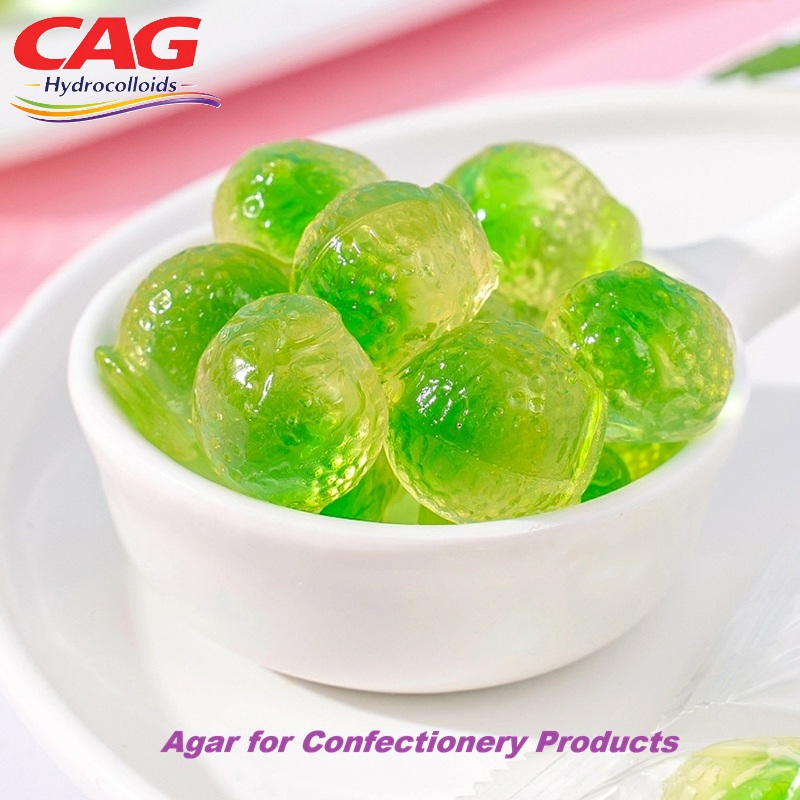
Agar delivers:
Compared with gelatin, agar-based candies are significantly more resistant to heat during shipping and storage.

Agar contributes:
Agar helps:
Pet food manufacturers increasingly utilize agar in premium formulations.
Agar provides:
Its seaweed origin and consumer-friendly image make it attractive for premium pet food products.
Although less common than some synthetic polymers, agar is increasingly used in natural cosmetic products.
Agar offers:
Beyond food and biotechnology, agar is also used in specialty industrial systems.
Its unique gel structure and thermal behavior make agar valuable in applications requiring reliable gel formation without chemical crosslinking.
| Functional Property | Practical Benefit |
|---|---|
| High Gel Strength | Produces strong, stable gels with excellent shape retention. |
| Excellent Thermal Hysteresis | Melts at high temperature but gels at much lower temperature, simplifying processing. |
| Good Transparency | Suitable for microbiology, tissue culture, and premium food products. |
| Plant-Based & Vegan | Seaweed-derived and suitable for vegetarian and vegan formulations. |
| Broad Regulatory Acceptance | Approved globally for food, biotechnology, and pharmaceutical applications. |
| Strong Water Binding | Helps reduce syneresis and improve product stability. |
| Clean Label Appeal | Familiar ingredient recognized by consumers. |
| Wide pH Compatibility | Performs well in many neutral and mildly acidic systems. |
| No Ion Requirement | Forms gels without calcium or potassium addition, simplifying formulations. |
Despite the availability of newer hydrocolloids, agar remains highly valued because it combines:
✓ Strong gel strength
✓ High melting temperature
✓ Excellent process tolerance
✓ Natural seaweed origin
✓ Clean-label positioning
✓ Broad consumer acceptance
✓ Proven performance over decades of use
For many manufacturers, agar represents the ideal balance between performance, simplicity, and market acceptance.
One of agar's greatest strengths is that it occupies a unique position among gelling agents:
This versatility explains why agar continues to be widely used even as new hydrocolloid technologies emerge.
Agar is one of the most successful hydrocolloids ever commercialized. From microbiological culture media and plant tissue culture to jelly desserts, bakery fillings, confectionery, pet food, and natural cosmetics, agar continues to deliver reliable performance across a remarkable range of applications.
Its unique combination of high gel strength, thermal stability, clean-label appeal, and formulation simplicity ensures that agar remains a cornerstone ingredient for formulators seeking robust and dependable gel systems.
Whether you are developing culture media, premium jelly desserts, vegan confectionery, bakery fillings, or pet food products, agar offers a proven solution built on more than a century of industrial success.


Email: info@cagcolloids.com
Tel: 0086-19884908291 / 0086-573- 80890620
Website: www.cagcolloids.com
Address: No. 399, East Tongfu Road, Tongxiang City, Zhejiang Province. China.