Why do agars extracted from different seaweed raw materials have different applications?
Dr. Colloids Answer the question as follows:
The quality and functionality of agar are primarily determined by the species of seaweed used. These differences stem from the chemical structure of the polysaccharides (agarose vs. agaropectin) and the presence of natural "impurities" like sulfate groups.
Below is a breakdown of the two most common sources and a specialized Russian variety:
1. Gelidium – The "Gold Standard" for Labs
Agar Characteristics: Naturally high gel strength (800–1200g/cm²), high transparency, and low ash content. It has a significant "temperature lag" (melts at ~85°C, gels at ~34°C).|
Why it’s different: It naturally contains very low levels of sulfate groups, meaning the molecular chains can form tight, stable double helices without much chemical intervention.
Applications:
Microbiology: The primary choice for culture media because it lacks growth inhibitors.
Biochemistry: Used to produce Agarose for DNA electrophoresis.
High-end Food: Used in premium confectionery (like Japanese Yokan) for a clean snap and superior clarity.
2. Gracilaria – The Industrial Workhorse
Agar Characteristics: Originally has low gel strength and high sulfate content. It requires alkali treatment (strong base) to chemically convert sulfate groups into 3,6-anhydro-L-galactose to increase its firmness.
Why it's different: It is more abundant and easier to farm, making it the most cost-effective source globally. However, the extra processing makes it less suitable for sensitive biological work.
Applications:
General Food Industry: Widely used in gummies, jellies, canned meats, and dairy as a thickener and stabilizer.
Technical Grade: Used in soft capsules or industrial coatings where high purity isn't critical.
3. Ahnfeltia plicata – The Russian Specialty
Agar Characteristics: Unique for its low gelling temperature (approx. 25–30°C).
Why it’s different: Found in cold Russian waters (White Sea/Far East), its molecular structure allows it to set at near-room temperature.
Applications:
Specialized Microbiology: Ideal for adding heat-sensitive ingredients (like blood, vitamins, or certain antibiotics) to a growth medium without damaging them with high heat.
Summary Comparison Table
|
Feature
|
Gelidium
|
Gracilaria
|
Ahnfeltia
|
| Main Use
|
Scientific & High-end Food
|
Mass-market Food
|
Heat-sensitive Microbiology
|
| Gel Strength
|
Very High (Natural)
|
Moderate (After Treatment)
|
Moderate
|
| Gelling Temp
|
34–38°C
|
38–42°C
|
25–30°C (Low)
|
| Purity
|
Highest (Low Sulfate)
|
Lower (High Sulfate)
|
High (Specialized)
|
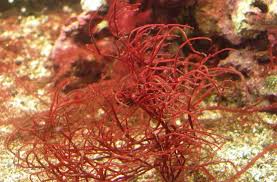
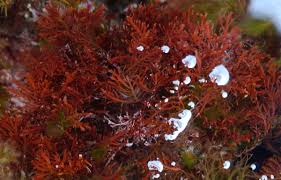
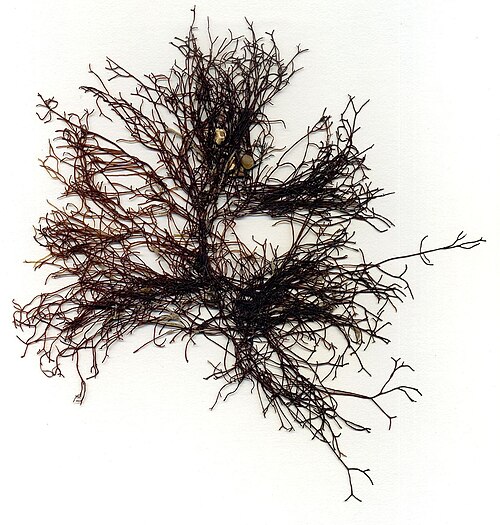
Gracilaria Gelidium Ahnfeltia
For the best hydrocolloid solution tailored to your specific product, please feel free to contact our technical support team at info@cagcolloids.com.