


FAQs
Nature Refined, Quality Defined
Green Science for better living

What is the difference between Traditional High-Sugar Jam and Modern Low-Sugar Jam ?
Imagine how our grandmothers used to make strawberry jam: a generous amount of strawberries cooked slowly with nearly an equal weight of sugar over a low flame until the jam thickened and could coat the back of a spoon. This embodies the wisdom behind traditional high-sugar jams, which rely on a high concentration of sugar (usually over 60%) to achieve three key purposes:
Creating Texture and Consistency: Utilizing the viscosity of sugar to thicken and form the gel.
Natural Preservation: The high sugar content creates a powerful osmotic pressure that inhibits bacterial growth.
Concentrating Flavor: The prolonged cooking at high temperature intensifies the fruit's flavor.
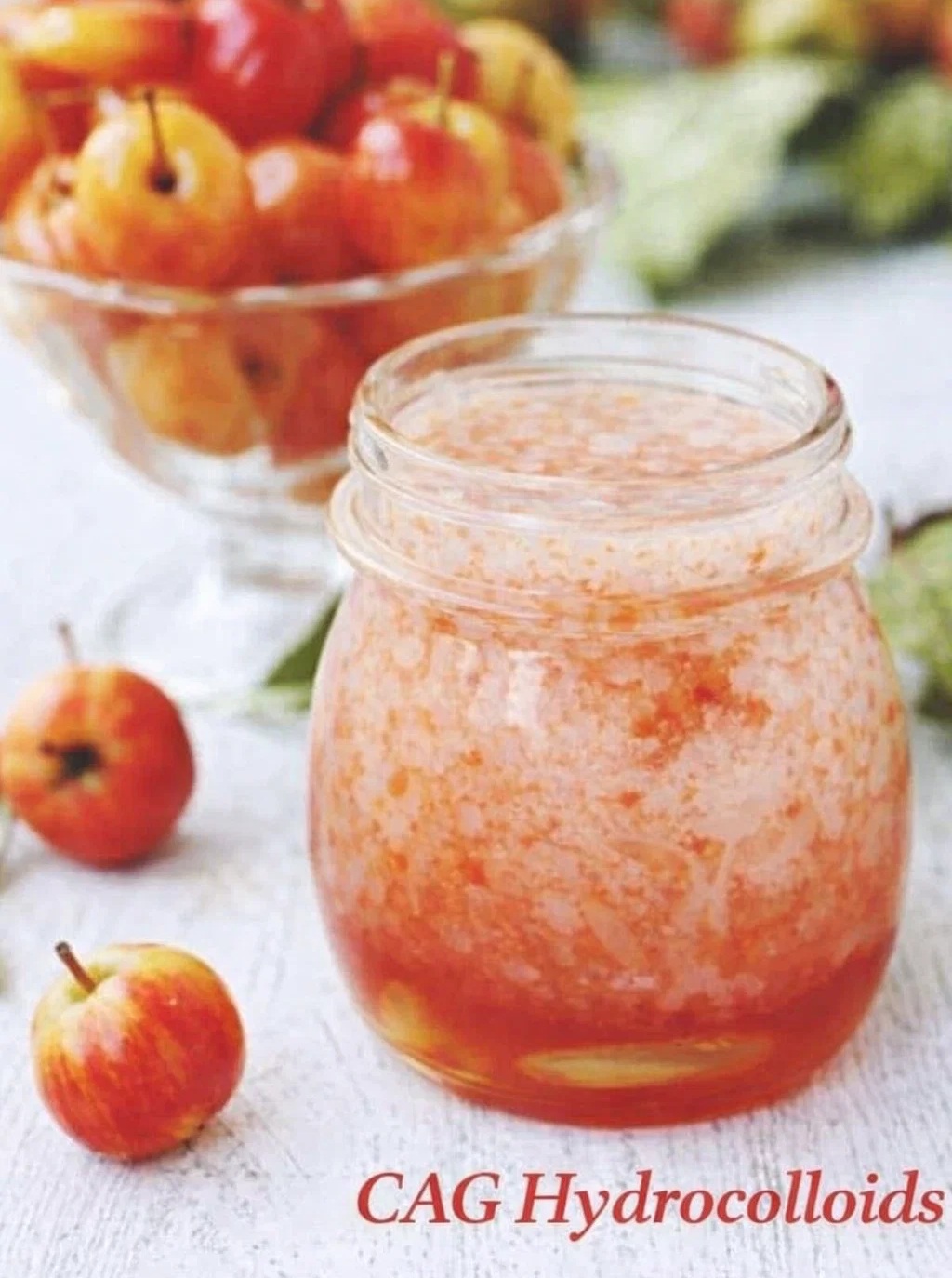
Consequently, traditional high-sugar jams have a firm texture, a jewel-like shine, and a long shelf life at room temperature. However, the trade-off is that the fruit's inherent fresh and vibrant flavor is often overshadowed by intense sweetness, and the calorie content is higher.
As modern consumers seek lighter, more authentic diets, low-sugar jam has emerged. It significantly reduces sugar content (often to 20% or even lower), breaking away from the traditional "preserving in sugar" principle. To compensate for the loss of the structural "backbone" provided by sugar, food technology has enlisted natural "architects" – food gums and hydrocolloids (like low-ester pectin extracted from citrus peel, or gellan gum derived from seaweed). Used in minimal amounts, these ingredients skillfully form a soft, spreadable gel network that locks in moisture and fruit pieces. With reduced sweetness, the natural acidity and aromatic complexity of the fruit are allowed to shine, delivering a purer fruit experience in every bite. Preservation relies more on scientific sterilization processes and careful pH control.
To maintain a deliciously smooth texture in low-sugar jams, these natural "magic ingredients" are essential:
Low-Ester Pectin: Sourced primarily from citrus peels. It acts like a gentle "weaver," forming a delicate gel network in a slightly acidic environment with the help of a small amount of calcium ions, resulting in a refreshing, spreadable texture.
Gellan Gum: Produced by microbial fermentation. It can form a crystal-clear, glossy gel with a texture ranging from soft to slightly brittle, enhancing both the visual appeal and mouthfeel.
Xanthan Gum: Derived from fermented corn starch, it is an excellent "stabilizer." It effectively thickens, helps suspend small fruit particles evenly (preventing settling), and contributes to a smoother mouthfeel.
An excellent low-sugar jam formula is a precise "symphony of flavors." Take a low-sugar blueberry jam (approx. 20% sugar content) as an example:
Star Ingredient: A high proportion of blueberry pulp/pieces (~60%), providing the core flavor and nutrients.
Sweetness Support: A moderate amount of sugar or natural sweeteners (like erythritol, ~15%) for just the right level of sweetness.
Texture Masters: Tiny amounts of low-ester pectin (~0.5%) and xanthan gum (~0.1%) work in synergy to build a smooth, soft texture.
Flavor Enhancer: A touch of lemon juice balances sweetness, highlights the fruit flavor, and provides the optimal acidic environment for the gums to work.
Processing Aids: Trace amounts of calcium salts (to activate pectin) and optional preservatives (like potassium sorbate, to extend shelf life).
4.2. Key Process Steps
Gum Pre-treatment: Dry-blend the gums with 5-10 times their weight in sugar or sweetener to prevent clumping.
Dissolution and Cooking:
Heat the fruit puree and water to 40-50°C. Under high-speed agitation, gradually sprinkle in the gum mixture.
Heat to 85-90°C and hold for 3-5 minutes to ensure complete gum hydration.
Add the remaining sugar/sweetener. Heat to 95-100°C and simmer gently for 2-3 minutes.
Acid and Calcium Addition: Cool to below 80°C. Add the acid solution (e.g., lemon juice), followed by the slow addition of the calcium salt solution under rapid stirring.
Filling and Sterilization:
Hot-fill immediately (temperature >85°C). Perform bottle inversion or apply a water bath pasteurization treatment (90-95°C for 20-30 minutes).
Cool rapidly to below 40°C to preserve flavor and texture.
Critical Control Points:
pH Control: Optimal range is 3.2-3.8. Too low can hydrolyze gums; too high weakens gel strength.
Calcium Ion Management: Requires precise control. Excess can lead to brittle gels or syneresis (water separation).
Sterilization Assurance: Lower sugar products pose a relatively higher microbiological risk, necessitating sufficient sterilization intensity.
Texture Balance: Adjust texture through gum blending to avoid excessive brittleness, stickiness, or syneresis.
Conclusion:
The shift from high-sugar to low-sugar jam represents a return from a "celebration of sugar" to a "tribute to the fruit." Leveraging modern food science and the ingenious application of natural hydrocolloids, it allows us to enjoy flavor with less guilt and a more authentic taste of the fruit itself. It's a contemporary dietary choice that balances health and indulgence. During development, selecting the appropriate gum combination based on the target texture (refreshing, elastic, economical) and optimizing through small-scale trials are crucial to balance flavor, texture, and stability.
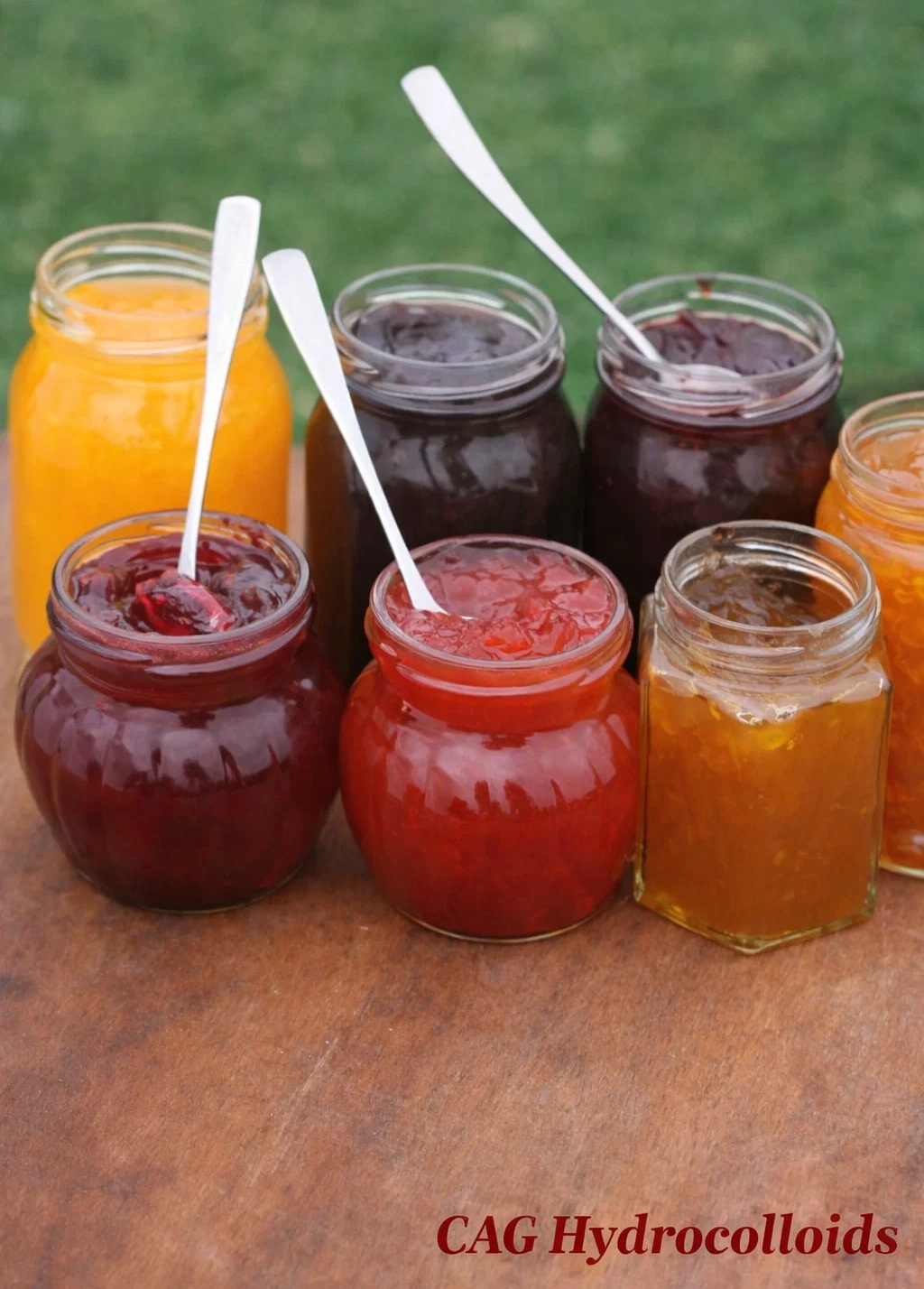
CAG offers high quality gellan gum ( both high and low acyl ) , Xanthan gum ( Transparent grade ) and Pectin for Jam. Please contact us for the details.


Email: info@cagcolloids.com
Tel: 0086-19884908291 / 0086-573- 80890620
Website: www.cagcolloids.com
Address: No. 399, East Tongfu Road, Tongxiang City, Zhejiang Province. China.